|
Puerto
Princesa the Southern Gateway
Puerto Princesa shows itself
a place with all the goodies you expect to find in a Filipino town
- a legion of gaily painted tricycles and tricikads - mobile works
of art - to adorn the streets; a central market brimming with
colour and with humour, and friendly faces everywhere that show
you all the time they're glad you came to see their town.
Yet here in Puerto Princesa there is something else, a
sensibility, that had the place looking very spic and span,
hospitable, as well as very, very green.
"Yield to children
crossing"; "Help save our children - jail the pushers"; "I am a law
abider. I support oplin linis (law and order)"; "I am a Palaweno,
I am not a reckless driver", say signs along the roadside. Then
you learn that Edward Hagedorn, the town's mayor, is dedicated to
civil order, personal security and conservation. It seems the
mayor's strategy is paying off. The pristine forests of Palawan
had not long ago been subject to decimation through rampant
illegal logging. This has been completely stopped.
The best
way to see Puerto Princesa is to walk or take a tricikad (pedaled
taxi) along Rizal Avenue. It's the main thoroughfare that runs the
length of town, from its leafy western outskirts, right down to
the port . This was a trek that I found myself doing as often as I
could, if only to enjoy the contrasts - country, town and port -
all in the space of two or three km.
Filipino ports are
always irresistible destinations. There's the promise of a fishing
village - maybe on stilts - colourful outrigger boats, and
hospitality from the people of a type unmatched anywhere in the
world. The little port at Puerto Princessa had all of this and, as
I was to find, just that little bit more.
Until now I had
never found the pluck you need to negotiate the rickety planks
that serve as rail-less walkways in the villages on stilts.
"You can go, my friend - NOT DOWN!" came the constant cry of
my newly acquired companions as I tentatively poked my way along
the walkway. I tried not to look at the muck below that would
gobble up entirely the fallen.
Pushing on, a sign informed
that this was "Camia footbridge, Matahiank Zone 2". It's
astonishing what the people here have managed to erect on stilts.
I came upon the Santo Nino chapel built on stilts, with a notice
promoting the Benefit Dance to be held there soon; there was the
billiard parlour on stilts, a bingo hall and lots of little shops.
I imagined, if I looked a little more, there'd be a fire house and
police station too.
The further out I walked, the skinnier
the walkway got, until at last it was just a couple of spindly
sticks with quite a depth of water underneath. I wondered at my
weight as I tip-toed along, and wished I didn't have my camera
bag.
"You can go, my friend - NOT DOWN!" And with this, by
golly, I made it to the end - well almost to the end. I looked to
see the gallery that were there to share my triumph. "Hey man,
give me one shot!" (take my photo!) was the anthem I received.
Underground River a Must
Having come to Palawan there
was no way I could miss the underground river. It's what most
tourists come here for. A friend of mine in Melbourne told me he
had walked there from Princesa - a two day hike. Thankfully, I had
a combi and a guide. Even so, heading northwest out of town, we
bumped along dirt roads for two and a half hours before we finally
reached St. Paul National Park.
Here you start to see big
limestone rocks jutting up on both sides of the road. These, I was
told, are part of the St. Paul mountain range, all of which is
"karst" limestone.
From the port of Sabang we travelled for
20 minutes in a pump boat to the beach at the entrance to the
park. Here, in the shade of "Dita", "Salakin", "Piris", "Kalimutaim",
"Mabunot", and "Malugail" trees (all conveniently labeled), we
shared our picnic lunch with three fearsome looking iguanas. They
themselves had to contend with an impish bunch of monkeys who
scampered in to steal scraps from underneath the iguanas' plodding
feet - funny stuff.
The underground river, a five minute
walk from here, runs for no less than eight and a half km through
the limestone mountains. To explore it, you pay 150 pesos
(US$3.75) for a paddle "banca". It takes you 1½ km up the river.
Soon the only light you get comes from the guide's torch. With
this you are shown the astonishing phenomena that nature here has
managed to contrive. These are giant limestone caves, in some
parts 20 m wide and 65 m high. Clumps of fruit bats cling to the
slippery stone, and brisk little swifts clickety click their way
around the caves, narrowly missing your head. The river is also
home to eels and sightless fish. Who needs eyes in a place as
black as this?
Natural Cathedral Cavern
Then there
are the "look-alikes" - stalagmites named for their resemblance to
the 'giant mushroom', a 'sub highway', lots of 'grottoes',
'dinosaurs' and 'statues'. The clincher is 'The Cathedral' with
its giant candle, confessional, tabernacle, and sculpture of the
holy family. We had come to church by boat.
From a choice
of other day trips that included the crocodile farm and an open
penal colony where convicts live 'useful lives', we opted for some
island hopping at Honda Bay.
Honda Bay is another kind of
fishing village. It's built on a thin peninsula, and exemplifies
the Filipino capacity to create beauty from the simplest of
materials. The nipa huts are artfully and sturdily constructed,
many of them decked with blooms of bougainvillea. All manner of
fish were laid out to dry on huge stretches of bamboo lattice.
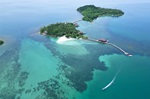
Among the nearby islands you can visit, is Starfish Island,
where there are plenty of starfish; Bat Island where there are
plenty of bats, and Snake Island where there are no snakes at all.
All are pristine little sandy gems, empty but for a few nipa
cottages, and shelters used by fishermen. At Starfish, you can
stay in a family cottage for 800 pesos a night (US$20) or a double
for 500 (US$13).
The pump-boat ride itself is splashingly
good fun, and as Andy, my guide, said as we bumped along at a
show-ride pace: "This is really hopping - like a kangaroo."
Palawan is the Philippines' last frontier - one that is now
ardently protected by a government intent on saving the island's
forest treasures. Puerto Princesa bears testimony to the shared
will of the Palaweno people - to do things with a mind, not only
to the security of the people, but also to the conservation of the
land. It is this above all else - yes, even above the cricket on
TV - that makes the town a pleasure to be in.
Divers
Delight
That El Nido is a paradise for divers is well
known. But as I was now discovering, snorkellers, swimmers and
even strollers on a pier can also get their sub-aquatic thrills.
Though I must admit, my free introductory dive had not yet
qualified me for the kinds of depths where lurk the mighty whale
shark, manta ray, eagle ray and giant clam, all of which Ian
assured me he had seen on recent dives. Sure I was just a little
jealous, but thrilled just the same with my green sea turtle
encounter, along with the schools of angelfish and barracuda that
finned quizzically around me on the reefs.
There are more
than 20 dive sites around El Nido's Bacuit Bay. These range from
graded slopes to drop-off's, and from wall dives to flat reef. The
more intrepid may wish to tackle the tunnels and caverns nearby El Nido town. South Miniloc teems with ribbon eels, angelfish and
barracuda. The table corals at Twin Rocks are home to seawhips and
rays, while Tres Marias' mammoth boulders harbour painted crays,
mackerel and white-tip sharks. Visibility is good to nearly 30 m
and is best from March through May.
Not Only for Divers
Yet you don't have to dive, snorkel or even tickle your toes
in the shallows to be inspired at El Nido. Scenically the place is another-world. The area takes its name from the fishing town that
lies on the north-west shores of the Philippines' most westward and far flung island province, Palawan.
El Nido, though,
has come to be synonymous with the surrounding islands. Viewed
from the plane - the 19 seater Dornier that transfers you to El Nido directly from Manila - the islands seem to have flaked off
Palawan as would crumbs from a giant slice of tart. And these are
not your regular island specs. Commanding serious respect, they
soar out of the bay as giant shafts of limestone - vertical and
incredibly tall - 609 m in the case of Cadlao. Formed over 250
million years ago, they towered then even higher than today before
being eroded by the rain.
Seeing all these soaring
monoliths close up, I was immediately reminded of Sarawak, and the
famous limestone pinnacles that spear up through the mountain mist
in Mulu National Park. I was not surprised to learn that Palawan
in the ice age was part of the Eurasian Plate, and attached to
north-east Borneo. Until the 19th century it was politically
attached to Borneo as well, until the Spanish managed finally to
wrest control of Puerto Princessa, the island's capital, from the
Sultans of Jolo.
Limestone has a way of creating
fantastically dramatic and artistic effects. In El Nido it has
outdone itself. Around the various island coasts it has formed
almost labyrinthine lagoons flanked by those awe-inspiring walls -
sometimes bare, sometimes clad in shrubbery and vines. There are
caves and giant fissures to explore, at least one 'secret beach'
which you access by snorkeling through a small hole in the 'wall';
and coves that sport gleaming strips of sand between their mottled
emerald waters and forest-covered steeps.
Ideal Resort
Location
Two such coves are given over to resorts. These
are Miniloc and Lagen. As a guest at these serene and perfect
places the first thing you are made aware of - aside from the
exuberant friendliness of the Filipino staff - is the
environmentally conscious nature of the properties. The management
are determined that neither their presence or yours will interfere
in any way with the pristine nature of what is an official Marine
Reserve. Their philosophy is enshrined in 'Ten El Ni-do's", which
in essence exhort you to take nothing but photographs and leave
nothing but your footprints in the sand. Everyone (one hopes)
complies. Both properties are equipped with sewage treatment
plants and desalinisation plants. Both play an active role in the
conservation and policing of the bay.
During Lagen's
construction - a quite recent event - not one of the property's
trees was felled. The 12 by 25 m pool was dug an even 1.22m deep,
end to end, so as not to disturb the root-system of the forest.
Strolling through the gardens here, the feeling you get is
that of being enshrouded by a canopy of green. Kingfishers and
hornbills splash their own brilliant colours on the palms and
cottage roofs. Flitting at times perilously close to your nose are
the swiftlets that nest in the higher limestone niches and on the
ceilings of the caves. Their tiny nests are eagerly sought after,
especially by the Chinese, for their gourmet birds nest soup.
Local gatherers climb way up the sheer face of cliffs, unaided in
their quest by either ladders or ropes.
Miniloc is the
older of the properties, and the more Filipino in style. Its stilt
'water cottages' allude to a traditional Philippine fishing village. They are built of native materials: 'cogon' thatch for
the roofs, woven bamboo for the interior walls, 'narra' for the floorboards and checkerboard 'capiz' - a mother-of-pearl-like
shell - for the doors and window screens. Your balcony view is
that of the brilliant white sand beach fronting the cottages and
clubhouse that take refuge in the foliage at the base of the
soaring cliffs behind. A man-made breakwater ensures protection
from the swells. Beyond this are anchored a flotilla of bancas -
Filipino outriggers. They are there solely to serve the needs of
guests.
Natural Beauty, Adventure Abounds
Both
Miniloc and Lagen offer a veritable raft of activity options:
beach picnics, island hopping, hikes, hobie cat sailing, kayaking and dives. You are also given options as to whom you do these
with: fellow guests, your friends, your partner or even on your own. With so many unfrequented islands in the bay, there is no
trouble finding a private beach, especially for honeymooners who
might wish to be alone.
I spent most of my time accompanied
by my guides. In Miniloc this was Dante. As natives of Cebu,
Dante's parents discovered the marine-rich waters of El Nido on a
longer than normal fishing trip. They decided to stay. "Did your
parents have any trouble getting land and a house?" I asked. "No,"
answered Dante, "they just squatted like everyone else." With a
home-grown local as my guide, I decided to take up what is another
tour option: to take a trip to town.
El Nido is a more
substantial fishing town than you might expect. Though most of its
private homes are of nipa and bamboo, its more substantial
buildings are cement: the main street shops, municipal buildings,
the disco and the gym, aptly named 'Hard Rocks Cafe'. The people
are typically super-friendly Filipinos. They love to welcome
visitors, pose creatively for pictures and share with you the
funny side of life.
Not only Filipinos have been enticed to
live in town. A bunch of Europeans have settled here as well. In
the Mac Mac Restaurant I met the Austrian proprietor, Max. "It's
such a beautiful place, I could see no reason to leave," he says,
as he and Marilu, his Filipina wife, took turns to bounce their
baby boy on their knees. Most of these expatriates run guest
houses offering island hopping tours, or restaurants catering to
European tastes.
Commercial fishing in the Marine Reserve
is banned. Small private bancas, though, are permitted to fish,
thus helping to sustain the town. One of the more spectacular
sights at El Nido is that of one of these spindly little vessels
edging its way along the base of the towering island walls.
The best place to witness such unforgettable scenes is from
the viewpoint on Pangulasian Island. Getting there entails a 40
minute trek up a bougainvillea- and forest-shrouded track. Arrival
at the top sees what is left of your breath snatched summarily
away. For from here you are given a panoramic view of nearly all
of Bacuit Bay with any number of those monolithic land forms
nudging the clouds that try to replicate their shapes.
El
Nido has to be one of the most spectacularly gorgeous spots on
earth. And to think that just below the surface of those gleaming
turquoise waters another even more enticing, more enchanting,
'other world' awaits. Divemasters know exactly where the choicest
patches are, to let you savour to the utmost El Nido's watery
delights. But remember, it may not be such a good idea to try to
feed the whale sharks and manta rays by hand.
Information
Box
When: The best time to visit is the dry season from November
through April.
Bring: Light cottons, sun hat, sun block,
repellent, swimwear, slide film if required.
Buy: Palawan
baskets are famous for their elegant design, and especially for
their incredibly fine and intricate weave. They are available at
the Puerto Princesa market and at handicraft shops in town. Judge
the quality by the fineness and tightness of the weave.
The above was reproduced with permission from Frequent
Traveller magazine.
See also:
Exclusive HD video interview with Mr. Joesyl M. Vasquez (Josh),
Country Manager- Thailand for Philippine Airlines,
Exclusive HD video interview with Ms. Ina Israel of Coco Beach
Island Resort in Puerto Galera, Philippines,
Exclusive HD video interview with Dean Cid, General Manager of the
Microtel by Wyndham Mall of Asia in Manila, Philippines
and
Exclusive HD video interview with Art P. Boncato JR., Assistant
Secretary of Tourism Regulation, Coordination and Resource
Generation (TRCRG) at the Department of Tourism of Philippines.
|
Topics covering the Philippines:
Philippines
-
Hotels in Manila,
Bars in Manila,
Money and Exchange Warning in the Philippines,
Money Tips
and Currency Converter,
General
Information on Manila,
Rolex,
Hotels in Cebu,
Restaurants in Cebu,
General
Information on Cebu,
Hotels in Boracay,
Hotels in Palawan,
General
Information on Palawan,
Transport in the Philippines,
Pictures of the Philippines. HD Videos about Philippines:
Exclusive HD video interview with Mr. Joesyl M. Vasquez (Josh), Country
Manager- Thailand for Philippine Airlines,
Exclusive HD video interview with Ms. Ina Israel of Coco Beach Island
Resort in Puerto Galera, Philippines,
Exclusive HD video interview with Dean Cid, General Manager of the
Microtel by Wyndham Mall of Asia in Manila, Philippines and
Exclusive HD video interview with Art P. Boncato JR., Assistant
Secretary of Tourism Regulation, Coordination and Resource Generation
(TRCRG) at the Department of Tourism of Philippines. |
Philippines,
Palawan
|

 . To do
that in Outlook, right-click the RSS Feeds
folder, select Add a New RSS Feed, enter the URL of our
RSS Feed which is: https://www.travelnewsasia.com/travelnews.xml
and click Add. The feed can also be used to add the headlines to your
website or channel via a
. To do
that in Outlook, right-click the RSS Feeds
folder, select Add a New RSS Feed, enter the URL of our
RSS Feed which is: https://www.travelnewsasia.com/travelnews.xml
and click Add. The feed can also be used to add the headlines to your
website or channel via a
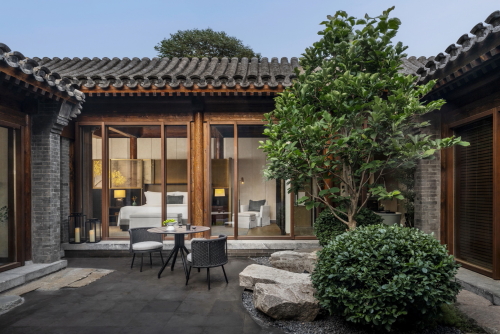 Mandarin Oriental Opens Special Hotel in Beijing, China
 AirAsia to Launch Penang - Shenzhen and Kota Kinabalu - Shantou Flights
 Boeing Forecasts Passenger and Cargo Needs of China's Aviation Industry
 Air Corsica Takes Delivery of ATR's 1,700th Turboprop Aircraft
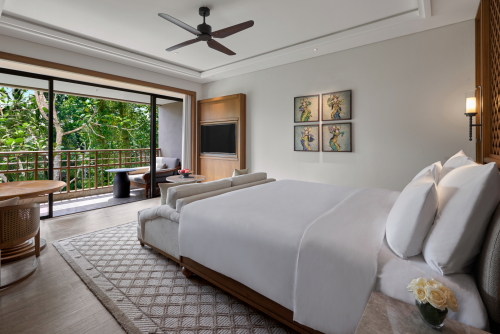 Minor Hotels to Open Anantara Resort Ubud Bali in October
 Uruguayan Air Force to Add A-29 Super Tucano Aircraft to Fleet
 Air Astana to Increase Flights to Phuket, Thailand; Signs Codeshare Deal with JAL
 Hong Kong Airlines to Resume Long-Haul Flights with Seasonal Gold Coast Service
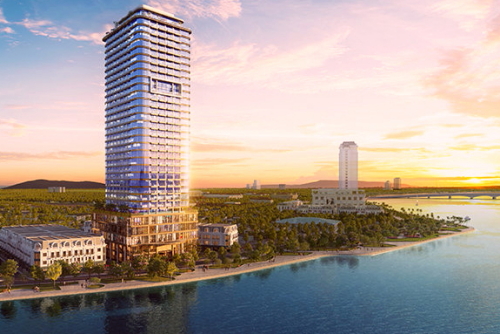 IHG Signs Two Hotels in Quang Binh, Vietnam
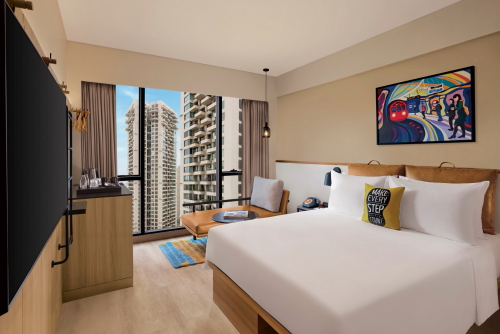 Marriott Opens Moxy Hotel in Mumbai, India
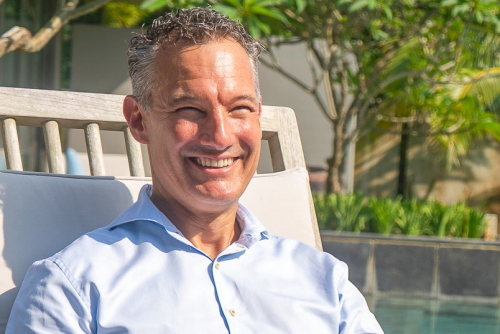 Torsten Richter Returns to Minor Hotels as AGM of Indonesia and Malaysia
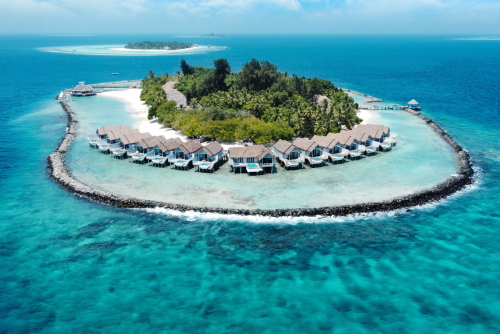 Minor Set to Open World's Third NH Resort in Maldives
 Asiana Airlines and Air Serbia Appoint APG as GSA
 IndiGo to Launch New Delhi - Vijayawada Flights
 Hong Kong Airport Reports Strong Increases in Cargo and Passenger Traffic
 Delta Begins Rollout of Free Wi-Fi on Long-Haul International Routes
 Thai AirAsia X to Resume Flights Between Bangkok and Sydney, Australia
 Marriott Partners Sonder to Add Over 9,000 Rooms to Portfolio
 IHG Opens Hotel Indigo in Bandung, Indonesia
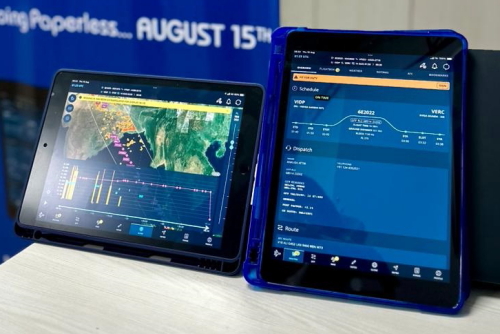 IndiGo Enhances Operations with Aviobook, an Electronic Flight Folder from Thales
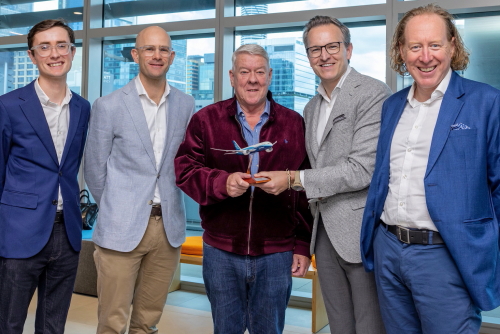 Boeing Invests in Wagner SAF Refinery in Brisbane, Australia
 Aeroflot to Resume Flights Between Yekaterinburg and Bangkok, Phuket and Goa
 Air Astana Takes Delivery of 56th Aircraft; Confirms Plan to Launch Phu Quoc Flights
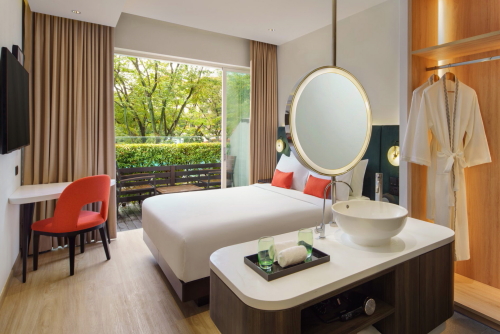 Seibu Prince Rebrands Hotel in Singapore
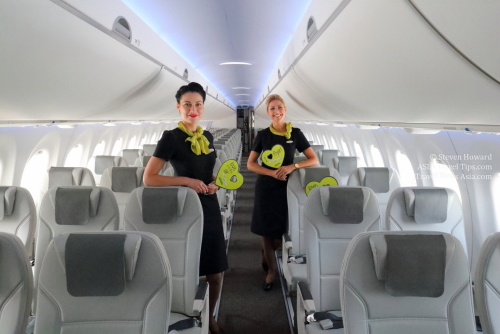 airBaltic Appoints APG as GSA in Egypt
 Korean Air and Delta Air Lines Partner Habitat for Humanity to Make a Difference in Cheonan
 Air New Zealand, Garuda, Qantas and Singapore Airlines Begin UPR Trials on 38 Routes
 Thai AirAsia Reports Q2 and H1 2024 Results; Confirms Full-Year Targets
 EL AL Israel Airlines Finalises Deal for 31 Aircraft
 Cebu Pacific to Launch Davao - Hong Kong and Iloilo - Singapore Flights
 Poland to Become Largest Operator of Apache Combat Helicopters Outside of USA
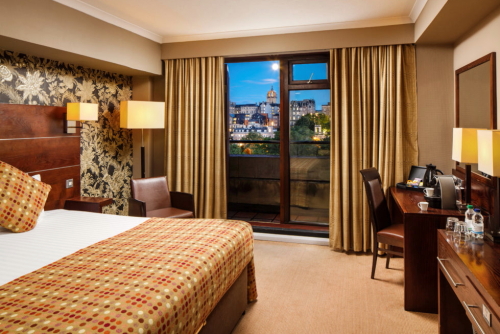 Singha Estate Partners Ascott for Rebranding of Two Hotels in the United Kingdom
 Miss International Queen 2024 (MIQ 2024) - Interview with Alisa Phanthusak, MD, Tiffany's Show Pattaya, Thailand
 IndiGo to Launch Coimbatore - Singapore Flights; Increase Frequency of Select Services
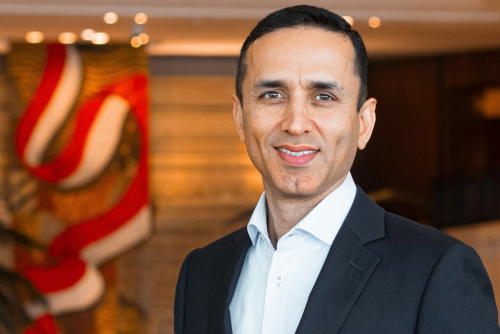 Parveen Kumar Joins Grand Hyatt Jakarta as General Manager
 Azerai Appoints Jimmy Tran as Group Director of Sales & Marketing
 South Korea to Strengthen Airborne Surveillance and Reconnaissance Capabilities
 Virgin Australia to Replace Fokker 100s with Embraer E190-E2 Aircraft
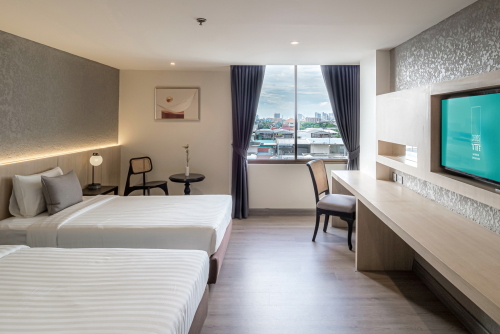 Cross Adds Two Hotels in Bangkok, Thailand to Portfolio
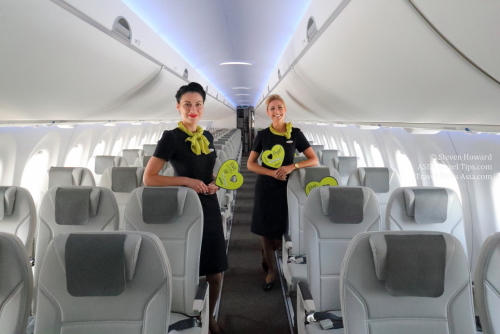 airBaltic Exercises Options on 10 Airbus A220-300 Aircraft
 Etihad to Increase Thailand Flights; Resume A380 Service to Singapore
 Dusit Signs Hotel and Condo on Rama 3 Road in Bangkok, Thailand
 Cape and Kantary Hotels to Expand Portfolio with Serviced Suites in Korat, Thailand
 Thai Airways Reports Q2 and H1 2024 Results
 China Airlines Extends Cargo Handling Contract with FCS
 Goldfinch Becomes First Piloted Electric Aircraft to Fly at NASA's Langley Research Center
 Rosewood Signs Luxury 33-Suite Resort in Exuma, Bahamas
 British Airways Expands Codeshare with Bangkok Airways
 Aeroflot Unveils Most Popular International Destinations in H1 2024
 Marriott Executive Apartments Open on Sukhumvit Soi 49 in Bangkok, Thailand
 Uday Rao Appointed RVP and GM of Four Seasons Hotel Tokyo at Otemachi in Japan
 CapitaLand Ascott Trust Secures OCBC 1.5°C Loan
 Sabre Hospitality Enhances SynXis Booking Engine with Trip Protection Services
 Cathay Pacific Orders 30 Airbus A330-900 Aircraft
 Haytham Said Appointed GM of Four Seasons Hotel Miami
 Hong Kong Airport Launches World's First Smartphone Express Bag Drop Service
 Marriott Signs W Hotel in Hangzhou, China
 IndiGo Selects Recaro's R2 and R5 Seats for New A321neo Aircraft
 Scoot to Take Delivery of Jalan-Jalan and Travel Kaki E190-E2s in September and October
 Ali Mohammed Appointed Regional Vice President and GM of Four Seasons Resort Orlando
 Marriott Opens Fourth Executive Apartments Property in Bangkok, Thailand
 AirAsia X to Resume Kuala Lumpur - Chongqing Flights
 Norse Operates Non-Stop Charter Flight from Oslo to Darwin, Australia
 Wyndham Reports Record H1 Growth in Asia Pacific
 LOT Polish Airlines Takes Delivery of First Embraer E195-E2
 Vietnam Airlines Takes Delivery of Fifth Boeing 787-10 Aircraft
 Marriott Expands Executive Apartments Brand to Penang, Malaysia
 AirAsia Group Expands Fleet with Four Airbus A321neo Aircraft
 IATA Reports Latest Airline Passenger Traffic Data
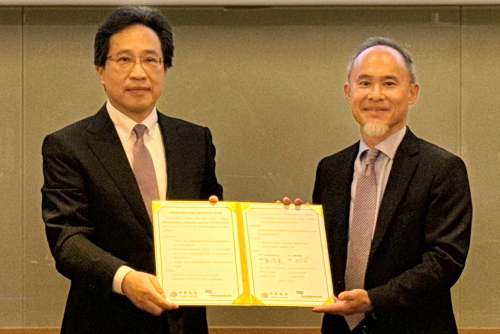 China Airlines Signs SAF-Related MOU with Morrison Express
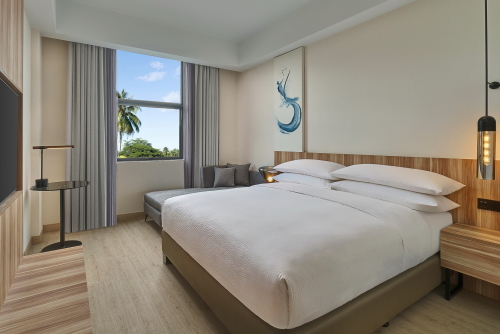 Fairfield by Marriott Hotel Opens in Terengganu, Malaysia
 IATA Reports Latest Global Air Cargo Data
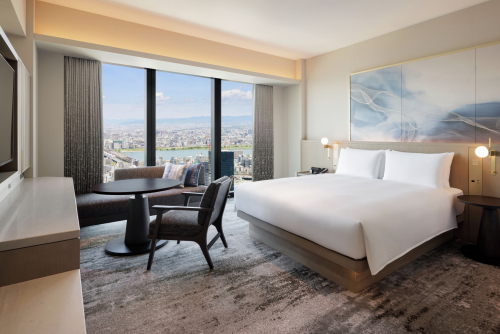 Marriott Opens Fifth Autograph Collection Hotel in Japan
 Matthew Smith to Succeed Monique Arnoux as CEO of Destination Asia
 American Airlines Renews Subscription to Prism
 Shanghai Pudong Airport Installs 52 Kiosks and 14 Self-Service Bag Drops from SITA
 Hong Kong Airport Handled 4.3 Million Passengers and 29,590 Flight Movements in June
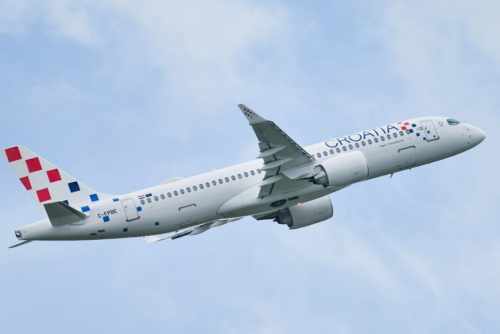 Croatia Airlines Takes Delivery of First Airbus A220
 Ryanair to Implement Boeing's Jeppesen FliteDeck Pro 5.0 EFB
 Asia Pacific Airlines Carried 28.9 Million International Passengers in June
 Singapore Changi Airport Reports Q2 2024 Traffic
 Cat Wu Returns to Singapore as Executive Director of Revenue for Two Hotels
 Langham Appoints Jack Xiao as Senior Vice President of Operations - China
 NATO Selects Sikorsky X2 Rotorcraft for Integrated Platform Concept Study
 Malaysia Airlines Expands Retailing Strategy with NDC Content on Travelport
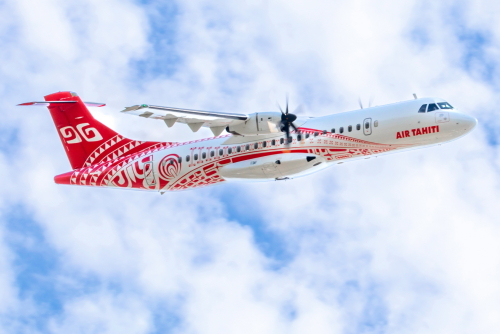 Air Tahiti Orders Four ATR 72-600 Aircraft
 One Air to Expand Fleet with Third Boeing 747-400 Freighter
 FCM Travel Expands Cytric Distribution Agreement with Amadeus
 Cathay Pacific Expands 1 Ticket, 1 Tree Initiative to Include Cargo
 Japan Airlines Confirms Order for 20 Airbus A350-900s and 11 A321neos
 Embraer E190 Freighter Receives ANAC Type Certification
 Libya's Berniq Airways Orders Six A320neo Family Aircraft
 Qatar Airways Adds 20 Boeing 777-9s to Order Book
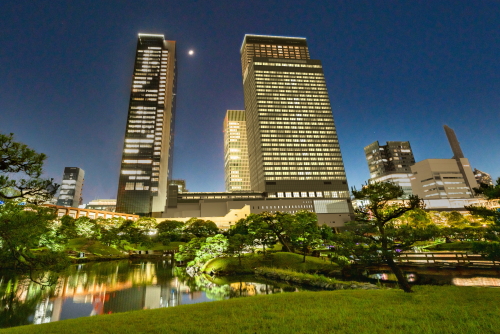 Accor Signs Raffles Hotel in Tokyo, Japan
 Thai AirAsia to Launch Bangkok - Hyderabad and Phuket - Siem Reap Flights
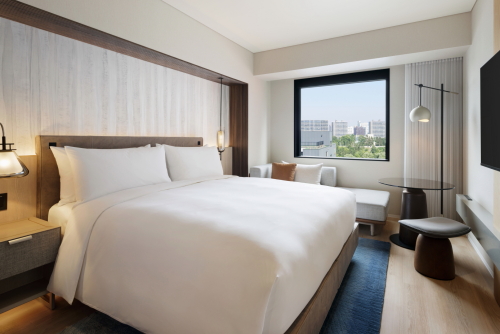 Courtyard by Marriott Hotel Opens in Sapporo, Japan
 Qatar Airways Unveils Qsuite Next Gen at Farnborough Airshow 2024
 British Airways Increases Number of Funded Places in Speedbird Pilot Academy
 Mandarin Oriental Signs Hotel and Residences in Bali, Indonesia
 Minor Hotels Signs Dual-Branded Property in Yining, China
 Korean Air Takes Delivery of First Boeing 787-10 Dreamliner
 Two Senior Promotions at IHG Asia Pacific
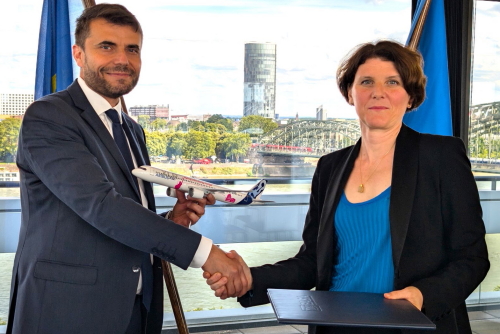 Airbus A321XLR Powered by CFM LEAP-1A Engines Receives EASA Type Certification
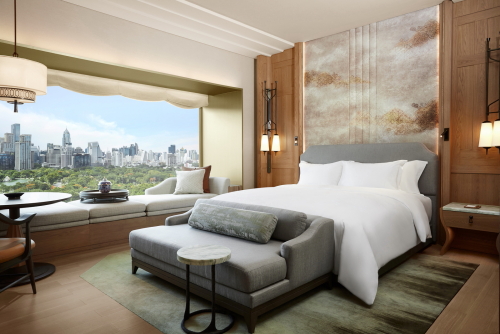 New Dusit Thani Bangkok Hotel to Open 27 September 2024
 CWT Upgrades Airfare Optimization Service with AI and Machine Learning
 Small Luxury Hotels of the World Returns to India with MRS Group Partnership
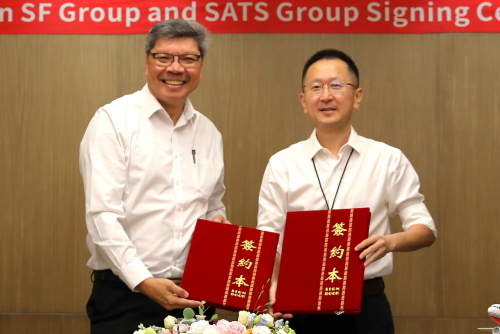 SATS and SF Group Sign MOU to Expand Global Footprint
 Thai AirAsia to Launch Don Mueang - Lampang Flights
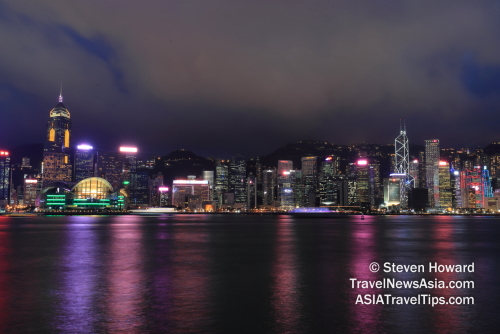 Hong Kong Welcomed 3.13 Million Visitor Arrivals in June 2024
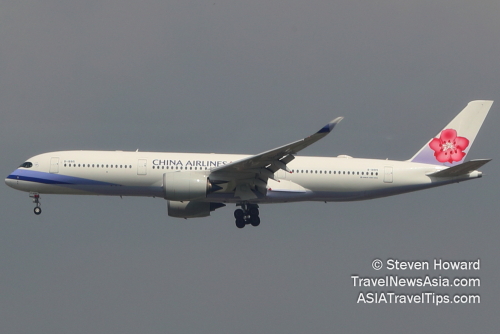 China Airlines Launches Direct Flights Between Taipei and Seattle, USA
 London Heathrow Airport Expands Partnership with SITA
 bp Partners Audi Formula 1 Team
 High-Speed Fun in Denmark! HD Video Interview with Aarhus Sea Rangers
 16 Exclusive HD Video Interviews from Routes Europe 2024 in Aarhus, Denmark
 9 Exclusive HD Video Interviews from Routes Asia 2024 in Langkawi, Malaysia
 9 Exclusive Video Interviews with VIPs at ASEAN Tourism Forum 2024 in Vientiane, Laos
 8 NTO Press Conferences from the ASEAN Tourism Forum 2024 in Vientiane, Laos
 13 Exclusive HD Video Interviews with VIPs at World Travel Market 2023 in London, England
 5 HD Video Interviews from APG World Connect 2023 in Monaco, France
 15 Exclusive Videos from Routes World 2023 in Istanbul, Türkiye