|
Cebuanos celebrate life like no other. They strum their guitars
and sing the "balitaw" when they're happy. They strum the guitar
and sing the "harana" when they're sad. And when they pray, they
dance!
It therefore comes as no surprise that the guitar is a
prime product in Cebu which, quite naturally, has also produced a
large share of the country's best musicians and master showmen.
The Cebuano's flair for showmanship and love for celebrations is
manifested in the Sinulog, a colorful festival of pageant proportion observed every third Sunday of January.
Cebu is an
anchor tourist destination and one of the 7,000 times more islands
that make up the Philippine archipelago.
The Isle of
Tropical Dreams
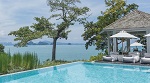
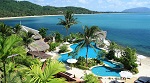
Cebu is the traveler's fantasy of a tropical
island come true - balmy weather, pristine beaches, crystalline
waters, and luxurious resorts with all the frills of modern
living.
The island-province of Cebu was where the Portuguese
navigator Ferdinand Magellan planted the Cross of Christianity in
the name of Spain in 1521. But even before Cebu became the
Occidental gateway to the Orient, it was already a popular entry
point among Asian merchants.
Cebu has since blossomed into a
choice tourist destination, with many leisure establishments
taking full advantage of its sea-valley-and-mountain location.
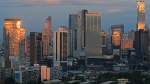
Metropolitan Cebu, the country's second biggest metropolis, is
the political, economic, educational and cultural center of the
Visayas. Hotels, shopping malls, entertainment halls, casinos and
golf fairways are ever present in the metro to cater to every tourist's whim.
The rest of Cebu's 166 islands and islets are
fringed with sandy beaches and sapphire-clear waters teeming with
marine life, perfect for divers.
Fiesta Extravaganza
The
fiesta is when life in these islands is celebrated in full
pageantry, complete with a brilliant display of sights and sounds,
scents and tastes. Cebu shows us how.
The Sinulog is Cebu's
biggest and showiest fiesta in honor of the Infant Jesus or Señor
Santo Niño. In a choreographed movement, "tribes" clad in dazzling
costumes hold aloft images of their tiny patron even as they
simulate the natural rhythm of sea waves which brought the Holy
Child to their shores. The prayer-dance is synchronized to the
beat of drums and shouts of "Pit Señor! Viva Santo Niño!"
The tribes wend through the city's major streets, starting early
in the morning and stretching into early evening. A big entertainment roadshow and grand fireworks display bring to a
close the celebration.
The Kadaugan sa Mactan is a one-day
pageant re-enacting the historic battle between the Magellan-led
Spanish colonizers and the resisting natives led by Rajah Lapu-lapu. The festival is celebrated every April 27 in Lapu-lapu
City at the beach area where the Portuguese voyager met his death.
While the rest of Christendom observes Holy Week with somber
rituals, fasting and abstinence, Bantayan Island makes an exception. The townspeople display their brand of folk Catholicism
by feasting on roasted pig and then swimming at its white sand beaches after a religious procession. The Semana Santa is a
movable feast between the months of March and April.
The
rustic town of Opon honors its patroness, Our Lady of Rule, with a
fiesta from November 20 to 21.
Guests take the occasion of
the Feast of St. Catherine of Alexandria to visit the beautiful
old town of Carcar which, aside from its splendid colonial
architecture, also produces a number of Cebu's popular delicacies.
In December, Cebu culminates its fiesta celebrations with the
month-long Paskuhan, a festival of Christmas songs and lantern displays.
City Sights
Cebu takes pride in being the
country's oldest colonial city. Many landmarks attest to the
richness of its history.
On April 14, 1521, Magellan
planted a cross to mark the spot where some 800 natives - led by
Rajah Humabon and his wife, Queen Juana - were baptized into the
Catholic faith. The original cross is now encased in a hallow
hardwood cross and can be found in a roofed kiosk along Magallanes
Street.
As a baptismal gift to Queen Juana, Magellan gave a
black image of the Infant Child which, on April 27, 1565, managed
to remain unscathed after a fire razed Cebu to the ground. The
Basilica Minor del Santo Niño was built by Captain Miguel Lopez de Legaspi and Fr. Andres Urdaneta on the spot where the miraculous
icon was found. The religious statue has since been enthroned in
the basilica, with the original kept inside the convent and a
replica enshrined at the church's side altar.
From mainland
Cebu, Magellan crossed the channel to the island of Mactan in an
effort to spread Christianity. The chieftain Lapu-Lapu, together
with his warriors, resisted the attempt and killed Magellan as he
reached the shore. A monument now marks the site.
Fort San
Pedro, located at Cebu City's wharf area, was the nucleus of the
first Spanish settlement in the country. The fort has been turned
into a museum-park.
Colon, the country's oldest street, was
built at the Parian or Chinese District. Located at the heart of
downtown, it is a busy commercial center by day and a lively
entertainment belt by night.
The seat of the provincial
government is an imposing building of pre-Pacific War vintage
rising majestically along Osmeña Boulevard.
Located at the
center of the boulevard is Fuente Osmeña, named after Cebu's Grand
Old Man, the late Commonwealth President Sergio Osmeña, Sr. A
favorite strolling park among locals, the circular Fuente becomes
even more alive in the evenings. Within the park is a skating
rink.
The University of San Carlos was established by the
Dominican fathers on the site of the former Jesuit-run Colegio de
San Ildefonso, originally founded in 1595. Its museum on P. del
Rosario Street has an extensive collection of anthropological and biological artifacts.
The Southwestern University Museum
located on the Urgello Private Road, takes pride in its large
collection of pre-colonial and colonial artifacts as well as its Filipiniana Research Center.
Casa Gorordo, along Lopez
Jaena Street, is the ancestral house of the first Bishop of Cebu
and affords one a glimpse of affluent Cebuano lifestyle, circa
1800.
The Jumalon Museum, Butterfly Sanctuary and Art
Gallery in the Basak district was the private museum of the late
lepidopterist Professor Julian Jumalon. His garden continues to be
a haven to thousands of butterflies and his salon features mosaics
made of butterfly wings.
The Cebuano's Chinese heritage is
very visible and one of the more popular destinations in the city
is the Taoist Temple, located at the highest elevation of the
Beverly Hills Subdivision.
Devotees, meanwhile, go to the
Heavenly Temple of Charity at the Peace Valley in the Lahug
district.
Yet another pilgrimage spot is the Celestial
Garden where life-size replicas of the 14 Stations of the Cross
are spread in a 12-hectare property within Banawa Hills.
City
Lights
From downtown to
uptown, Metropolitan Cebu comes even more alive as dusk sets in,
with queues leading to music bars, discos and the casinos.
Cebu is a premier entertainment center. Electric high tension
fills the nightlife and patrons can't help but "shake those
bodies" as they swing into the groove.
Island Adventure
For
the island-hopper, Cebu is one exciting playground for daring
expeditions.
Aqua sports top the list of what to do. For
scuba diving, the best dives are found in the islands of Mactan,
Moalboal and Camotes. The calm waters surrounding Argao, Badian
and Malapascua islands are ideal for kayaking.
Because of
its hilly terrain, mountain sports has created a following in
Cebu. Rock climbing is excellent in Cantabaco and Malubog.
For trekkers, the 908-meter high Mount Manunggal is a steady climb
in the heat.
Mountainbike your way up and down scenic
Talamban. It takes less than a full day on the road, with plenty
of stops along the way.
The ecotourist will find Olango an
ideal place for communing with nature. A wildlife sanctuary, the
island supports the largest concentration of migratory birds in
the country.
For the golfer, the Cebu Country Club and the
Alta Vista Golf and County Club are conveniently located in the
metro, in Banilad and Pardo. There is also the Club Filipino Golf
Course in Danao City, some 33 kilometers drive from Cebu City.
Island Flavors
Cosmopolitan Cebu is noted for its inexpensive
gastronomy of many cuisines.
Island flavors are fairly
simple with meats and seafoods cooked three ways - marinated in
vinegar, charbroiled or boiled - and then seasoned with
condiments. Chinese and Spanish cookery are the strongest foreign
influences in local cuisine.
Shopping
Shop till you
drop or your money runs out in Cebu where there are fantastic
bargains to be had.
The country's leading producer of
export-quality handicraft products, Cebu is a shopping haven for
novelty items at bargain prices. Highly polished products also
include fashion accessories, furnishings and giftware.
For
mall shopping, check out Ayala Center at the Cebu Business Park,
SM-Cebu at the North Reclamation Area, and Gaisano Country Mall in
Banilad. Good buys can also be had at Rustan's on Gen. Maxilom
Avenue, at Rosita's Fuente and Robinson's Department Store along Fuente Osmeña.
For souvenirs, go to Artevalman Handicraft
Market in Bakilid, Mandaue City, or Island Souvenirs at Nasipit
Talamban in Cebu City.
The public markets of Carbon, Ramos
and Taboan in Cebu City and the Mandaue Market are worth visiting:
prepare to haggle. Cebu is the jump-off point to satellite
destinations in the Visayas and Mindanao Islands.
Leyte
Leyte in the Eastern Visayas region is a showcase of rich history
set in an unspoilt landscape.
It was here that Ferdinand
Magellan first planted the seeds of Spanish colonization during
the 16th century.
A key battlegound in the Pacific theater
during World War II, Leyte is dotted with monuments, the most
significant of which is the Red Beach in town of Palo. The
historic landing site of American Gen. Douglas MacArthur in 1944,
Red Beach has been developed into MacArthur's Park, highlighted by
larger-than-life statues of the liberating forces set on a
man-made lagoon.
Leyte's natural attractions include: Lake
Danao, one of the loveliest lakes in the country; Mahagnao
National Park, home to a pristine lake, hot and cold mountain
springs, Guin-aniban Waterfalls, and exotic wildlife; and Cuatro
Islas in Indang, four unsullied islands surrounded by white sand
and coral reefs.
Samar
The third biggest island in the
Philippines, Samar offers opportunities for adventure sports like
trekking, spelunking, surfing and deep-sea fishing.
The
capital town of Catbalogan is a major port. In the heart of town
is Capitol Park, with music concerts in the early evenings. Beaches near Catbalogan include Cal-Apog, Ginsorongan, Payao and
Buri.
The town of Basey is at the northern end of San
Juanico Bridge which connects Samar and Leyte. It is famous for
its 17th century Catholic church and the 840-hectare Sohoton Caves
National Park, accessible through a 90-minute, 30-kilometer boat
trip upriver.
The town of Gandara is home to the Bongahan
ruins and the Blanca Aurora Falls. Further inland is Mount Hurao,
with its rainforests, winding rivers, and bountiful wildlife.
Calbayog City is Samar's principal outport and is famous for
its 7-layered Dorosdos Falls and Mapaso Hot Spring.
Dumaguete
Dumaguete, the capital of Negros Oriental, is a "City of Gentle
People" and sits on the plains of the southeastern coast of Negros Island.
Synonymous to Dumaguete is Silliman University,
founded by American Protestant missionaries in 1901. Its entire
35-hectare area is a bird sanctuary, and has an ethnographic
museum which houses an extensive collection of locally-excavated
artifacts. Its marine laboratory at Silliman Farm Beach offers
gear for diving and exploring the fish-rich waters.
Siquijor
Siquijor is the smallest of four provinces in Central Visayas.
Legend has it that Siquijor rose from the sea amid thunder and lightning. A legend re-inforced by the presence of fossils of
clams and other sea creatures found in the interior highlands.
The island-province is endowed with idyllic white sand
beaches, coral reefs teeming with marine life, century-old
churches and other scenic spots.
Excellent sites for diving
and snorkeling are found in San Juan off Tongo and Sandugan
Points. The beach in Maria is a popular weekend picnic destination
and has coral gardens offshore.
Mystical Siquijor is also
known for its Festival of Herbal Preparation held during Holy Week
at San Antonio Village overlooking the Bay of Lazi and the
Mindanao Sea.
Cagayan de Oro
The "City of Golden Friendship", Cagayan de Oro is geographically part of the province of Misamis
Oriental and is the gateway to the Northern Mindanao region.
Within the city is the Garden of Malasag Ecotourism Village, a
mountain resort overlooking Macalajar Bay which is also a cultural haven for the 11 tribal communities of Northern Mindanao and their
arts and crafts.
The Santillano Shell Collection exhibits
over 1,000 priceless shells from all over the world. The Pelaez
Sports Center is one of the best sports complexes in the country.
In August, Cagayan de Oro holds the Kagayhaan, the local Mardi
Gras festival, in honor of its patron, St. Augustine.
Cagayan de Oro offers world-class diving sites around Gingoog and
Medina - and rainforest-covered mountains dotted with caves, waterfalls and springs.
Camiguin
A tiny, pearl-shaped
volcanic outcrop off the north coast of Mindanao, Camiguin is an
ideal destination for trekkers in search of adventure and
romantics yearning for a quiet corner.
Camiguin can be
toured from tip to tip by land transport in two hours. Mambajao,
the capital, makes a good way station to such attractions as seven
volcanoes, waterfalls, springs, and white sand beaches.
This luxuriant island is equally famous for the tropical fruit
lanzones. The Lanzones Festival takes place in Mambajao in
October.
Urigao Del Norte
Surigao del Norte consists of a
part of mainland Mindanao and 100 other islands, the largest of
which are Dinagat, Siargao and Bucas Grande.
Casa Real in
the capital city of Surigao is the governor's residence and dates
back to the Spanish period. A century-old replica of the Liberty
Bell stands at the capitol site. Within the city vicinity are Sabtang Beach with its kilometer-long black sand shore, Ipil Beach
with its white pebbles.
On Raza Island, one side has low tide
while one side has high tide. In Sibaldo is the 10-meter high
Zaragaza Rock Formation and the solitary rock islet of Tamulayag
where trees grow without soil. In Hikdop Island is a natural rock
sculpture in the form of a human skull. Danawan Island has a white
beach teeming with rare seashells. Bayagnan Island has offshore
whirlpools that appear and disappear with the tides.
It
takes hours to reach the three big islands. Bucas Island Grande is
known for Sohoton Lagoon in the town of Socorro, which can only be
reached by passing through a cave at low tide. Dinagat Island is a
spectacular snorkeling and diving destination. But it is Siargao
Island which is best known among adventure travelers. Many surfers
swear that Siargao has the best surf in the Philippines. Cloud 9
is acknowledged as one of the best, if not the best, single breaks
in Asia.
Planning Your Trip
Cebu is a regional
transportation hub. The Mactan Cebu International Airport services
both regular and chartered flights from Singapore, Hong Kong,
Malaysia, Japan, Taiwan and South Korea.
The fastest way to
reach Cebu is by plane. Flight time from Manila is 1 hour 10
minutes.
A leisurely way to reach Cebu is by ship, which
has first-class cabins, restaurants, and music bars. Travel time
from Manila is approximately 20 hours.
The Philippines is
accessible from the travel capitals of the world. Traveling time
to Manila from Hong Kong is an hour and 50 minutes; from
Singapore, 3 hours and 10 minutes; from Bangkok, 3 hours and 50
minutes; Tokyo, 4 hours and 15 minutes; Sydney, 10 hours and 20
minutes; London, 20 hours and 45 minutes; Paris, 21 hours and 15
minutes; Frankfurt, 19 hours and 40 minutes; San Francisco, 16
hours and 15 minutes; Los Angeles, 15 hours and 20 minutes; and
New York, 25 hours and 20 minutes.
|
Topics covering the Philippines:
Philippines
-
Hotels in Manila,
Bars in Manila,
Money and Exchange Warning in the Philippines,
Money Tips
and Currency Converter,
General
Information on Manila,
Rolex,
Hotels in Cebu,
Restaurants in Cebu,
General
Information on Cebu,
Hotels in Boracay,
Hotels in Palawan,
General
Information on Palawan,
Transport in the Philippines,
Pictures of the Philippines. HD Videos about Philippines:
Exclusive HD video interview with Mr. Joesyl M. Vasquez (Josh), Country
Manager- Thailand for Philippine Airlines,
Exclusive HD video interview with Ms. Ina Israel of Coco Beach Island
Resort in Puerto Galera, Philippines,
Exclusive HD video interview with Dean Cid, General Manager of the
Microtel by Wyndham Mall of Asia in Manila, Philippines and
Exclusive HD video interview with Art P. Boncato JR., Assistant
Secretary of Tourism Regulation, Coordination and Resource Generation
(TRCRG) at the Department of Tourism of Philippines. |
Philippines,
Cebu,
Mactan
|

 . To do
that in Outlook, right-click the RSS Feeds
folder, select Add a New RSS Feed, enter the URL of our
RSS Feed which is: https://www.travelnewsasia.com/travelnews.xml
and click Add. The feed can also be used to add the headlines to your
website or channel via a
. To do
that in Outlook, right-click the RSS Feeds
folder, select Add a New RSS Feed, enter the URL of our
RSS Feed which is: https://www.travelnewsasia.com/travelnews.xml
and click Add. The feed can also be used to add the headlines to your
website or channel via a
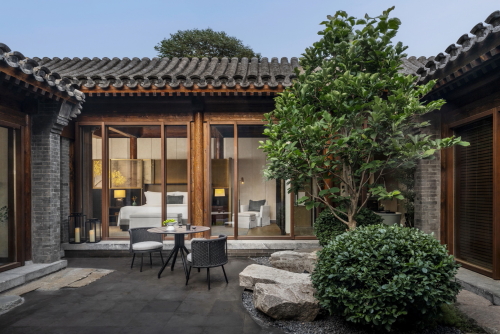 Mandarin Oriental Opens Special Hotel in Beijing, China
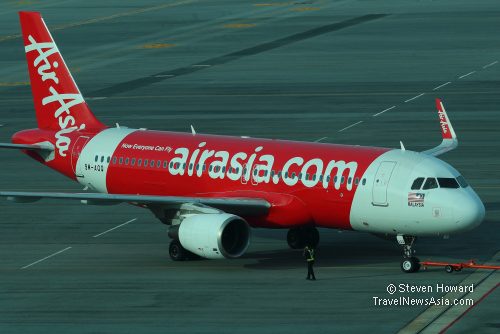 AirAsia to Launch Penang - Shenzhen and Kota Kinabalu - Shantou Flights
 Boeing Forecasts Passenger and Cargo Needs of China's Aviation Industry
 Air Corsica Takes Delivery of ATR's 1,700th Turboprop Aircraft
 Minor Hotels to Open Anantara Resort Ubud Bali in October
 Uruguayan Air Force to Add A-29 Super Tucano Aircraft to Fleet
 Air Astana to Increase Flights to Phuket, Thailand; Signs Codeshare Deal with JAL
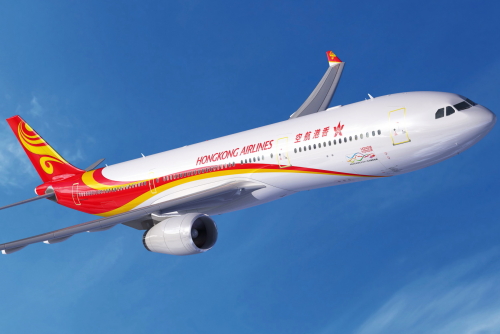 Hong Kong Airlines to Resume Long-Haul Flights with Seasonal Gold Coast Service
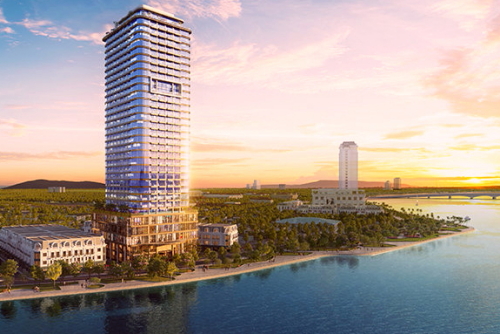 IHG Signs Two Hotels in Quang Binh, Vietnam
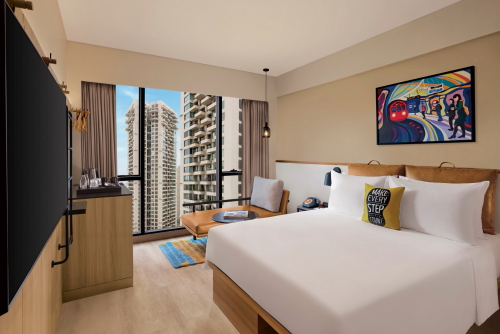 Marriott Opens Moxy Hotel in Mumbai, India
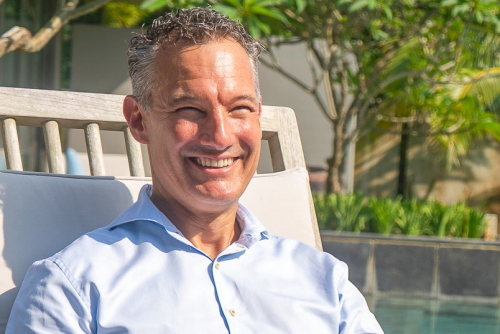 Torsten Richter Returns to Minor Hotels as AGM of Indonesia and Malaysia
 Minor Set to Open World's Third NH Resort in Maldives
 Asiana Airlines and Air Serbia Appoint APG as GSA
 IndiGo to Launch New Delhi - Vijayawada Flights
 Hong Kong Airport Reports Strong Increases in Cargo and Passenger Traffic
 Delta Begins Rollout of Free Wi-Fi on Long-Haul International Routes
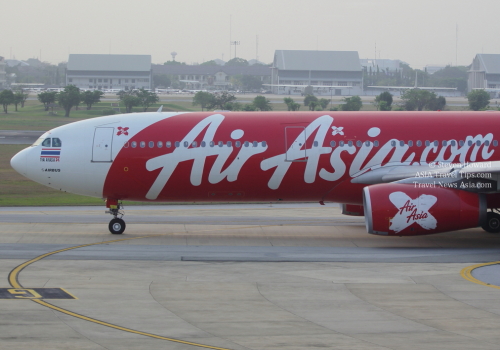 Thai AirAsia X to Resume Flights Between Bangkok and Sydney, Australia
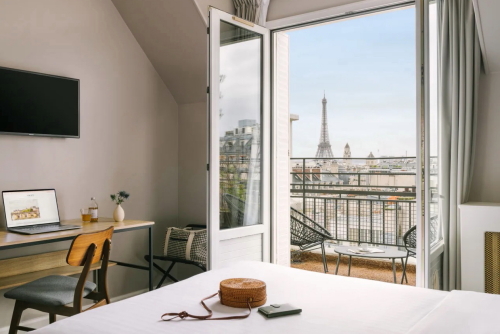 Marriott Partners Sonder to Add Over 9,000 Rooms to Portfolio
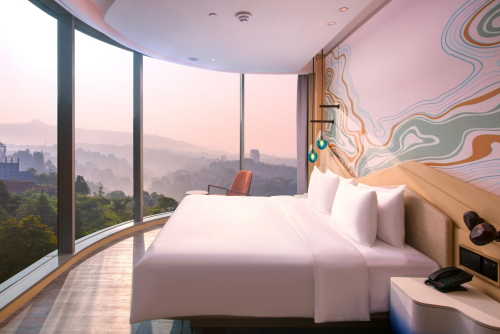 IHG Opens Hotel Indigo in Bandung, Indonesia
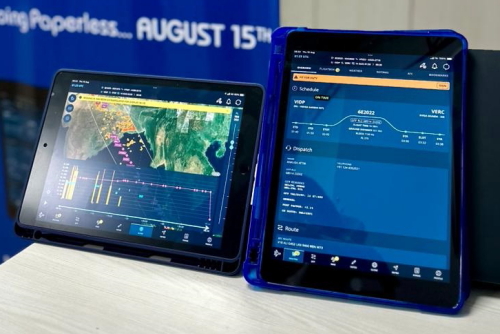 IndiGo Enhances Operations with Aviobook, an Electronic Flight Folder from Thales
 Boeing Invests in Wagner SAF Refinery in Brisbane, Australia
 Aeroflot to Resume Flights Between Yekaterinburg and Bangkok, Phuket and Goa
 Air Astana Takes Delivery of 56th Aircraft; Confirms Plan to Launch Phu Quoc Flights
 Seibu Prince Rebrands Hotel in Singapore
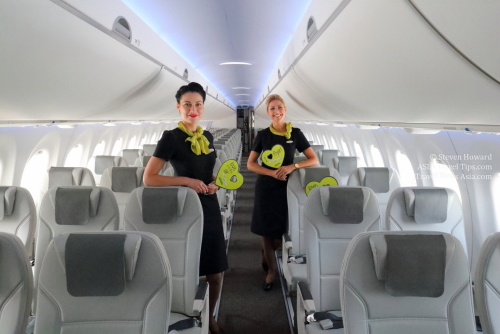 airBaltic Appoints APG as GSA in Egypt
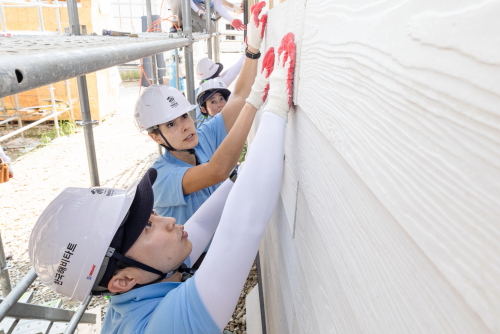 Korean Air and Delta Air Lines Partner Habitat for Humanity to Make a Difference in Cheonan
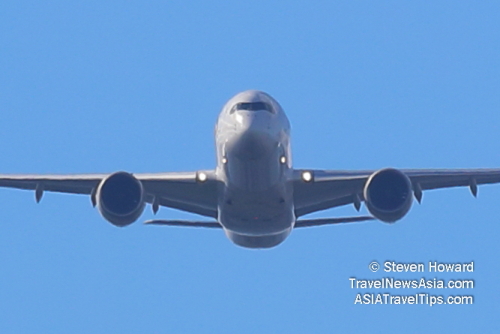 Air New Zealand, Garuda, Qantas and Singapore Airlines Begin UPR Trials on 38 Routes
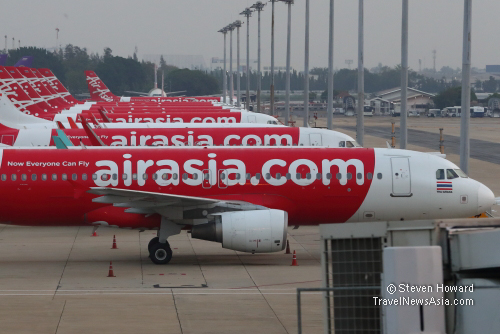 Thai AirAsia Reports Q2 and H1 2024 Results; Confirms Full-Year Targets
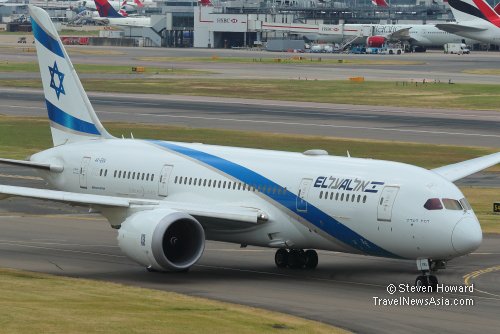 EL AL Israel Airlines Finalises Deal for 31 Aircraft
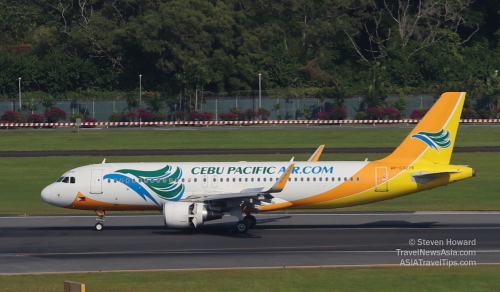 Cebu Pacific to Launch Davao - Hong Kong and Iloilo - Singapore Flights
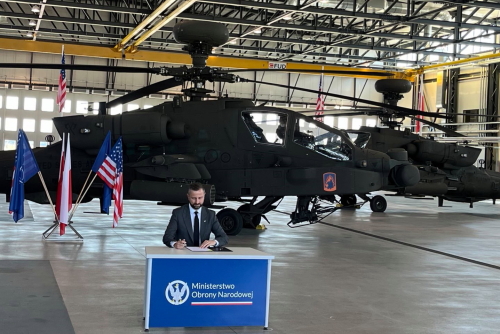 Poland to Become Largest Operator of Apache Combat Helicopters Outside of USA
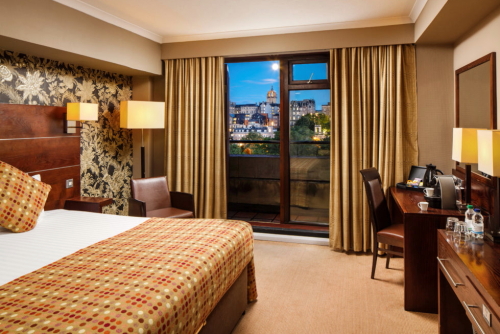 Singha Estate Partners Ascott for Rebranding of Two Hotels in the United Kingdom
 Miss International Queen 2024 (MIQ 2024) - Interview with Alisa Phanthusak, MD, Tiffany's Show Pattaya, Thailand
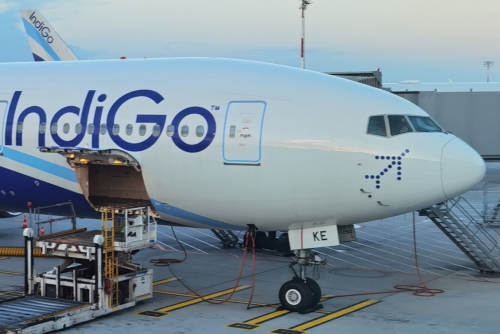 IndiGo to Launch Coimbatore - Singapore Flights; Increase Frequency of Select Services
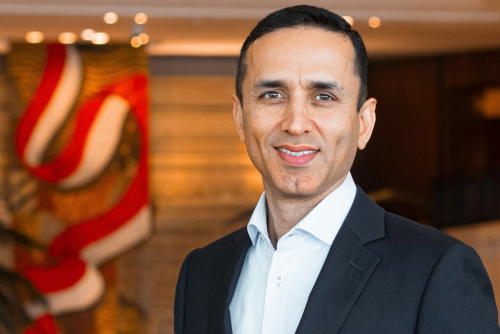 Parveen Kumar Joins Grand Hyatt Jakarta as General Manager
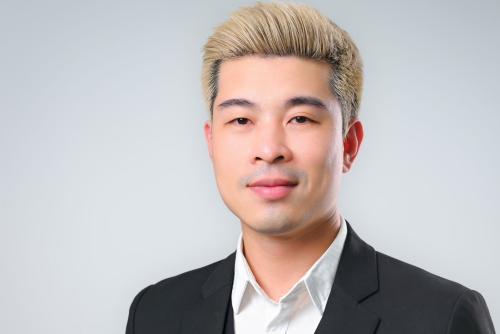 Azerai Appoints Jimmy Tran as Group Director of Sales & Marketing
 South Korea to Strengthen Airborne Surveillance and Reconnaissance Capabilities
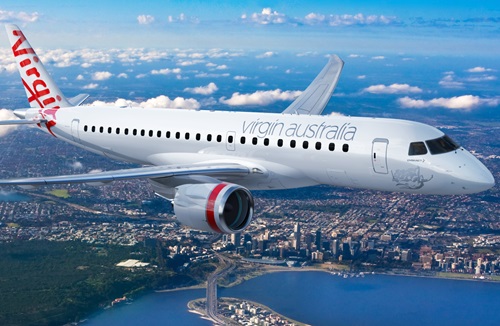 Virgin Australia to Replace Fokker 100s with Embraer E190-E2 Aircraft
 Cross Adds Two Hotels in Bangkok, Thailand to Portfolio
 airBaltic Exercises Options on 10 Airbus A220-300 Aircraft
 Etihad to Increase Thailand Flights; Resume A380 Service to Singapore
 Dusit Signs Hotel and Condo on Rama 3 Road in Bangkok, Thailand
 Cape and Kantary Hotels to Expand Portfolio with Serviced Suites in Korat, Thailand
 Thai Airways Reports Q2 and H1 2024 Results
 China Airlines Extends Cargo Handling Contract with FCS
 Goldfinch Becomes First Piloted Electric Aircraft to Fly at NASA's Langley Research Center
 Rosewood Signs Luxury 33-Suite Resort in Exuma, Bahamas
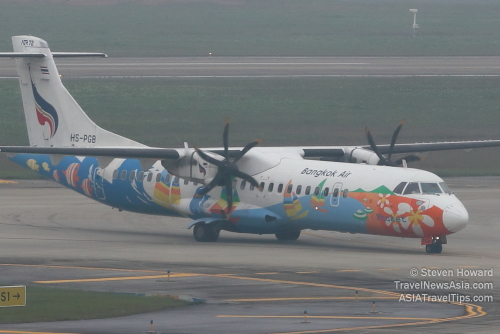 British Airways Expands Codeshare with Bangkok Airways
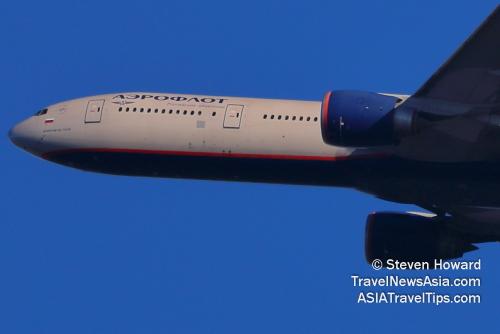 Aeroflot Unveils Most Popular International Destinations in H1 2024
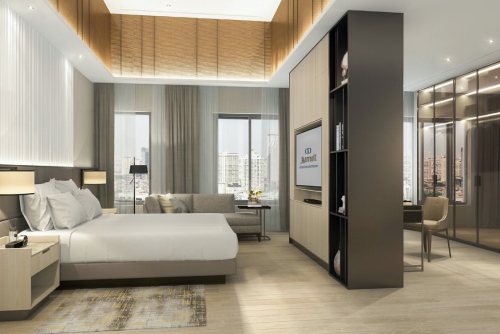 Marriott Executive Apartments Open on Sukhumvit Soi 49 in Bangkok, Thailand
 Uday Rao Appointed RVP and GM of Four Seasons Hotel Tokyo at Otemachi in Japan
 CapitaLand Ascott Trust Secures OCBC 1.5°C Loan
 Sabre Hospitality Enhances SynXis Booking Engine with Trip Protection Services
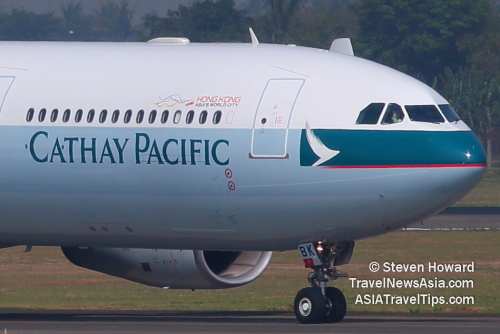 Cathay Pacific Orders 30 Airbus A330-900 Aircraft
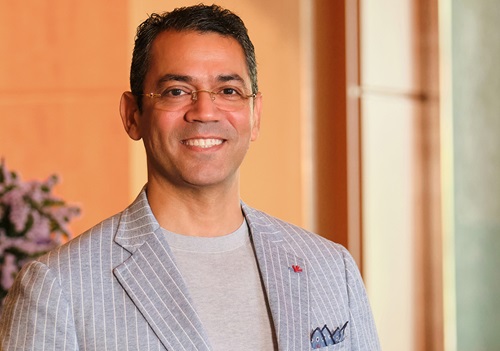 Haytham Said Appointed GM of Four Seasons Hotel Miami
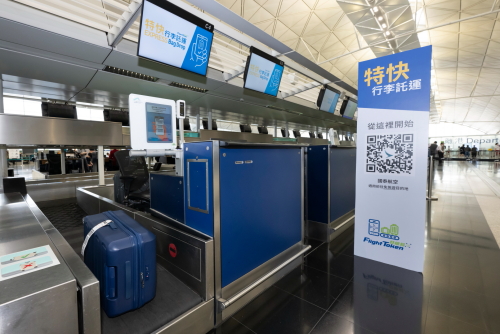 Hong Kong Airport Launches World's First Smartphone Express Bag Drop Service
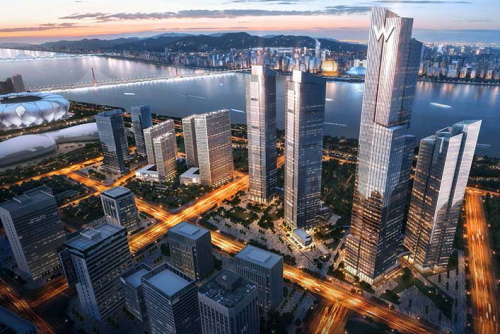 Marriott Signs W Hotel in Hangzhou, China
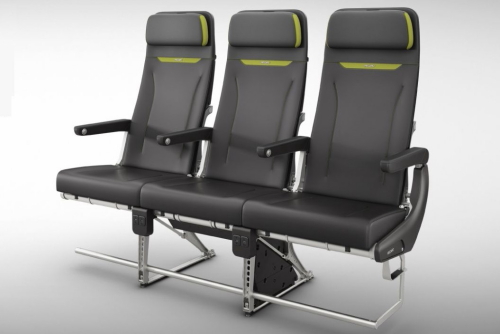 IndiGo Selects Recaro's R2 and R5 Seats for New A321neo Aircraft
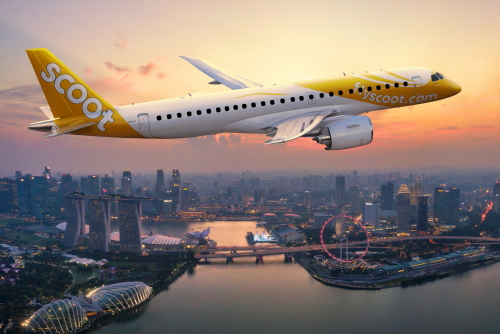 Scoot to Take Delivery of Jalan-Jalan and Travel Kaki E190-E2s in September and October
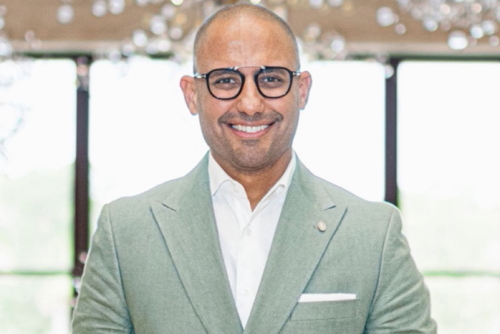 Ali Mohammed Appointed Regional Vice President and GM of Four Seasons Resort Orlando
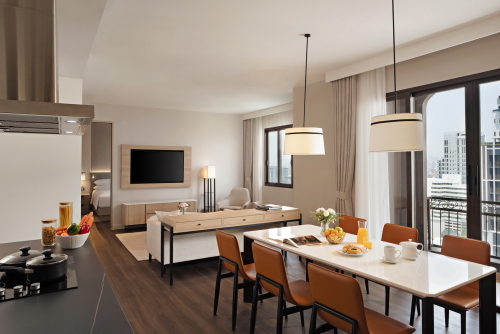 Marriott Opens Fourth Executive Apartments Property in Bangkok, Thailand
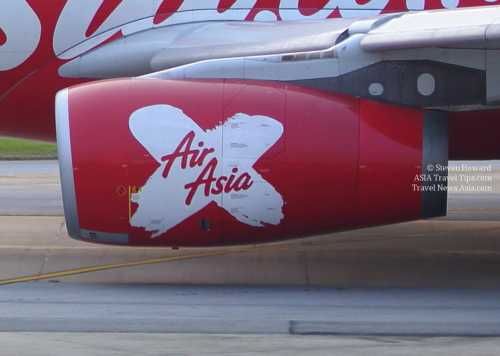 AirAsia X to Resume Kuala Lumpur - Chongqing Flights
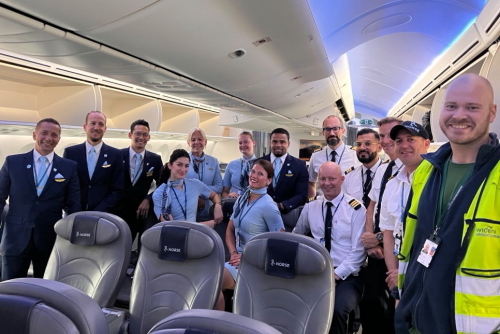 Norse Operates Non-Stop Charter Flight from Oslo to Darwin, Australia
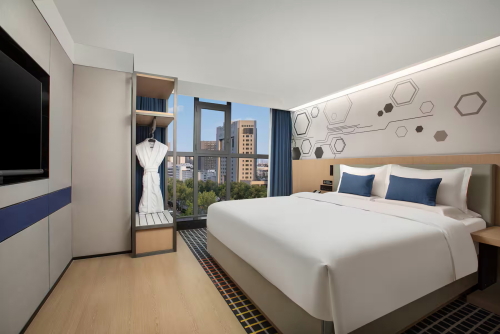 Wyndham Reports Record H1 Growth in Asia Pacific
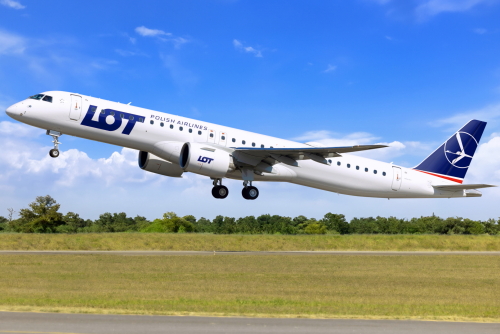 LOT Polish Airlines Takes Delivery of First Embraer E195-E2
 Vietnam Airlines Takes Delivery of Fifth Boeing 787-10 Aircraft
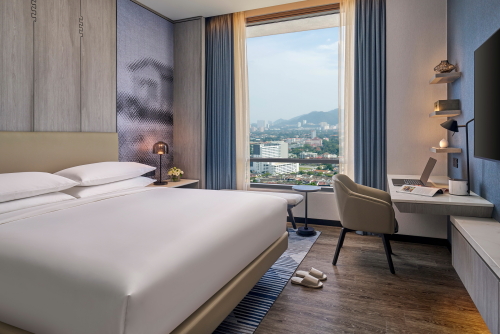 Marriott Expands Executive Apartments Brand to Penang, Malaysia
 AirAsia Group Expands Fleet with Four Airbus A321neo Aircraft
 IATA Reports Latest Airline Passenger Traffic Data
 China Airlines Signs SAF-Related MOU with Morrison Express
 Fairfield by Marriott Hotel Opens in Terengganu, Malaysia
 IATA Reports Latest Global Air Cargo Data
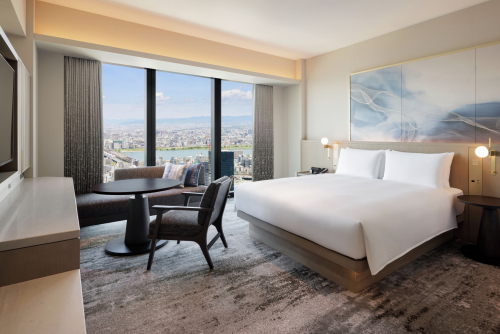 Marriott Opens Fifth Autograph Collection Hotel in Japan
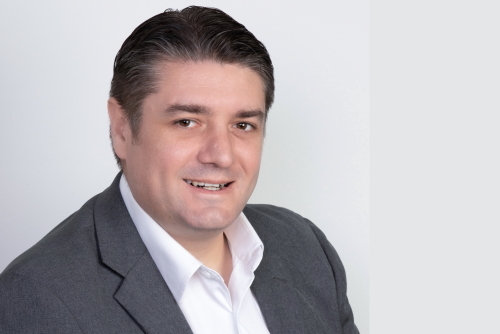 Matthew Smith to Succeed Monique Arnoux as CEO of Destination Asia
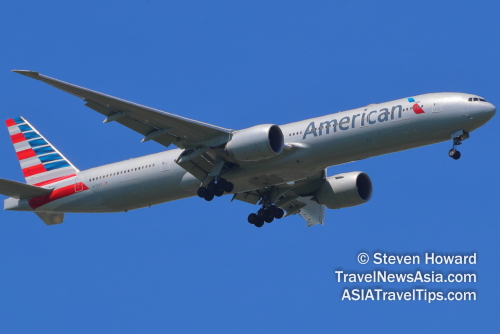 American Airlines Renews Subscription to Prism
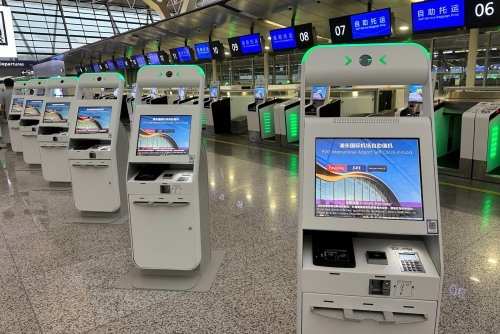 Shanghai Pudong Airport Installs 52 Kiosks and 14 Self-Service Bag Drops from SITA
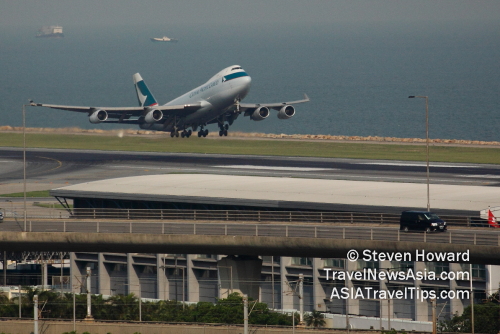 Hong Kong Airport Handled 4.3 Million Passengers and 29,590 Flight Movements in June
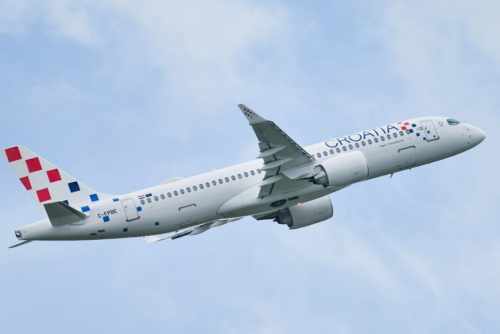 Croatia Airlines Takes Delivery of First Airbus A220
 Ryanair to Implement Boeing's Jeppesen FliteDeck Pro 5.0 EFB
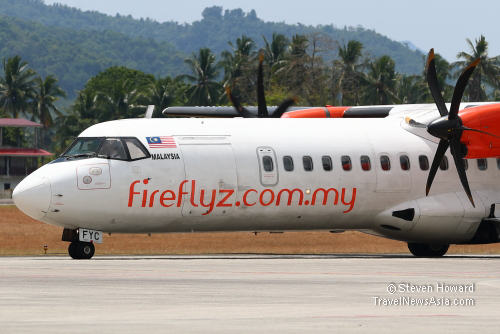 Asia Pacific Airlines Carried 28.9 Million International Passengers in June
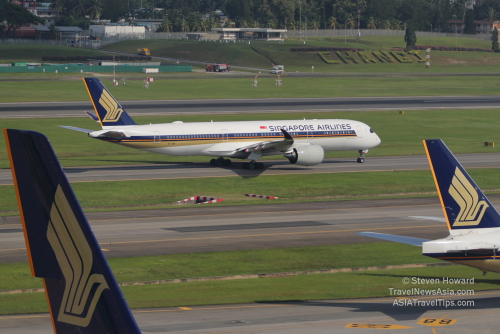 Singapore Changi Airport Reports Q2 2024 Traffic
 Cat Wu Returns to Singapore as Executive Director of Revenue for Two Hotels
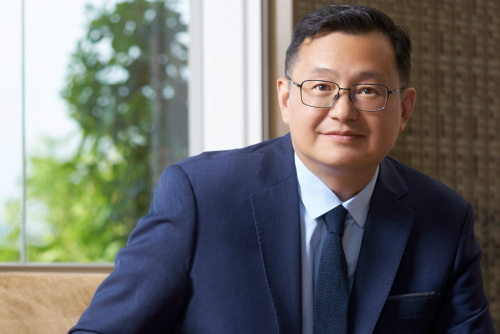 Langham Appoints Jack Xiao as Senior Vice President of Operations - China
 NATO Selects Sikorsky X2 Rotorcraft for Integrated Platform Concept Study
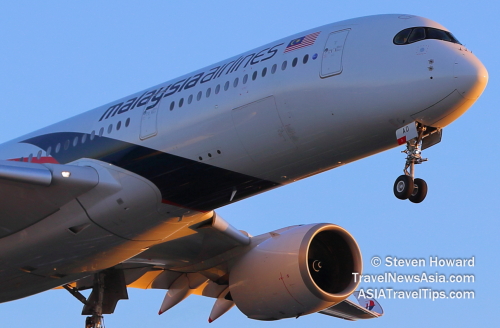 Malaysia Airlines Expands Retailing Strategy with NDC Content on Travelport
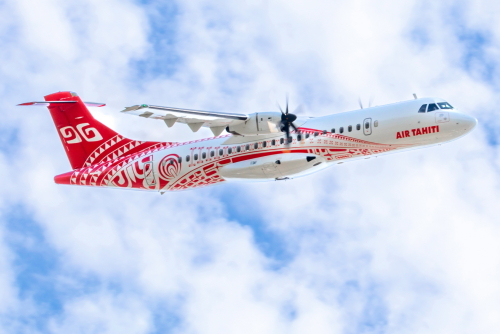 Air Tahiti Orders Four ATR 72-600 Aircraft
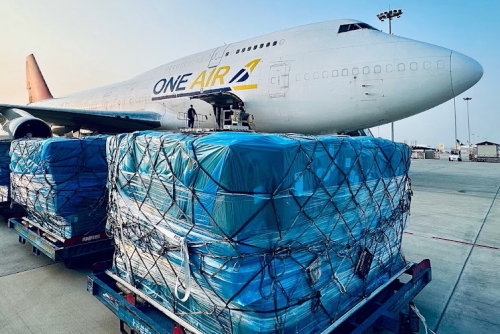 One Air to Expand Fleet with Third Boeing 747-400 Freighter
 FCM Travel Expands Cytric Distribution Agreement with Amadeus
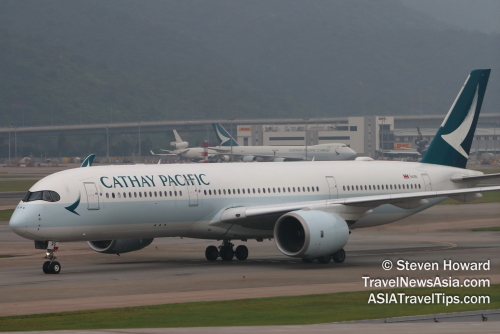 Cathay Pacific Expands 1 Ticket, 1 Tree Initiative to Include Cargo
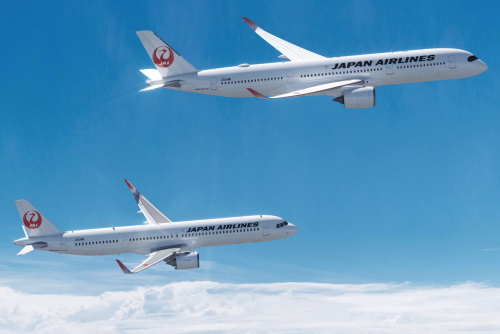 Japan Airlines Confirms Order for 20 Airbus A350-900s and 11 A321neos
 Embraer E190 Freighter Receives ANAC Type Certification
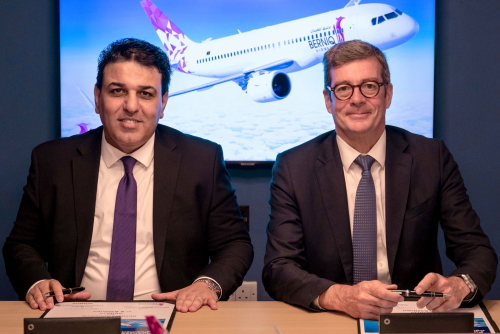 Libya's Berniq Airways Orders Six A320neo Family Aircraft
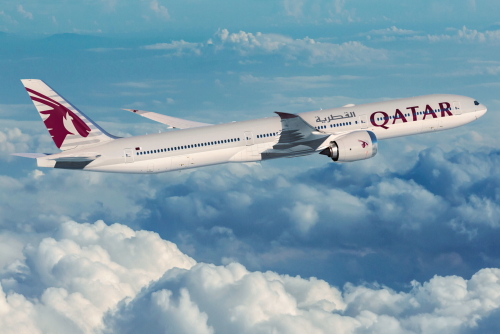 Qatar Airways Adds 20 Boeing 777-9s to Order Book
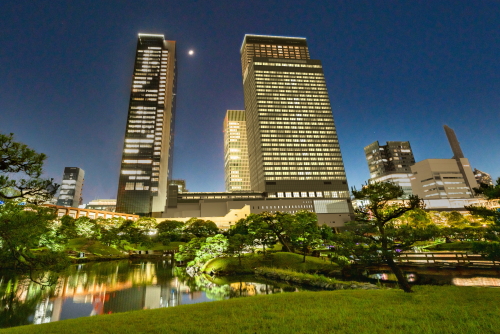 Accor Signs Raffles Hotel in Tokyo, Japan
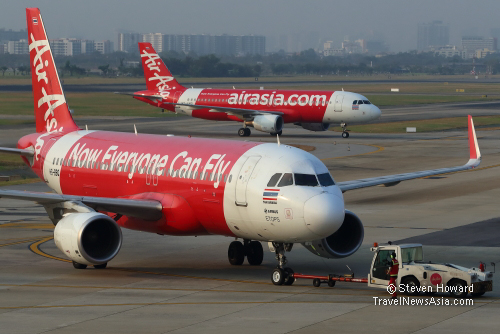 Thai AirAsia to Launch Bangkok - Hyderabad and Phuket - Siem Reap Flights
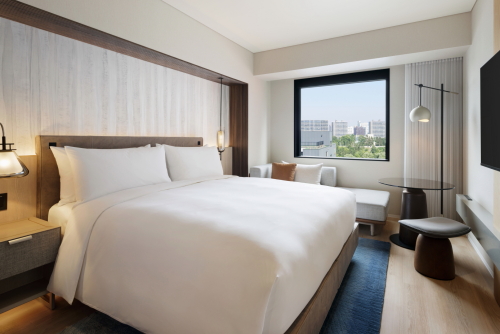 Courtyard by Marriott Hotel Opens in Sapporo, Japan
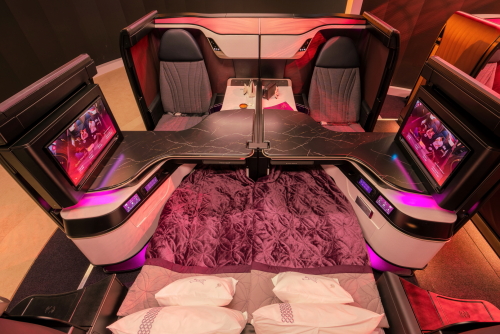 Qatar Airways Unveils Qsuite Next Gen at Farnborough Airshow 2024
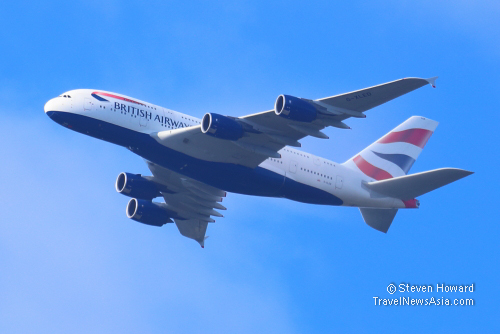 British Airways Increases Number of Funded Places in Speedbird Pilot Academy
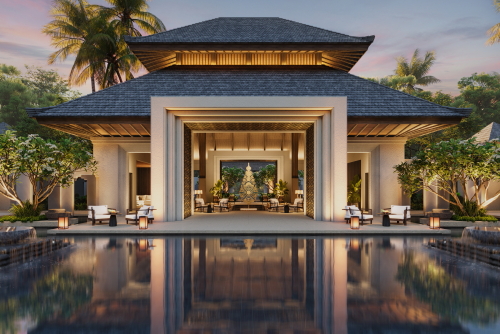 Mandarin Oriental Signs Hotel and Residences in Bali, Indonesia
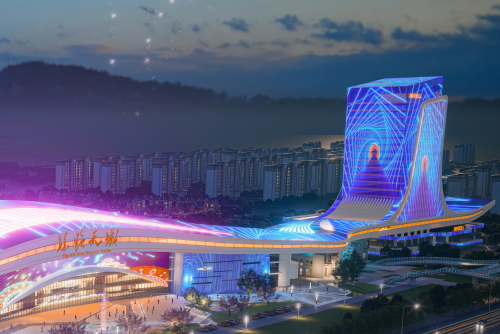 Minor Hotels Signs Dual-Branded Property in Yining, China
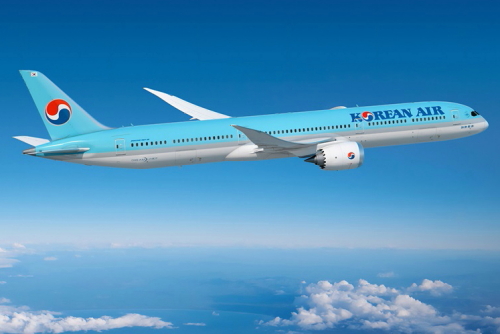 Korean Air Takes Delivery of First Boeing 787-10 Dreamliner
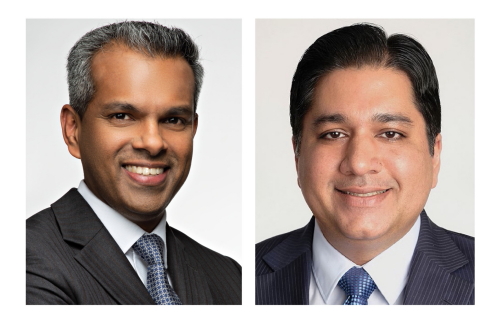 Two Senior Promotions at IHG Asia Pacific
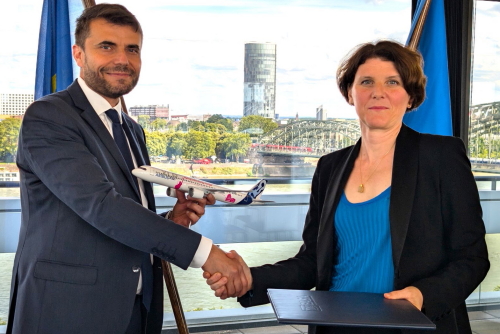 Airbus A321XLR Powered by CFM LEAP-1A Engines Receives EASA Type Certification
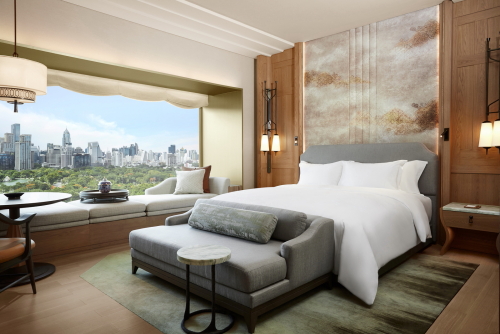 New Dusit Thani Bangkok Hotel to Open 27 September 2024
 CWT Upgrades Airfare Optimization Service with AI and Machine Learning
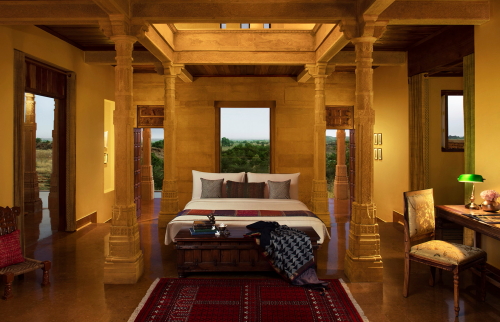 Small Luxury Hotels of the World Returns to India with MRS Group Partnership
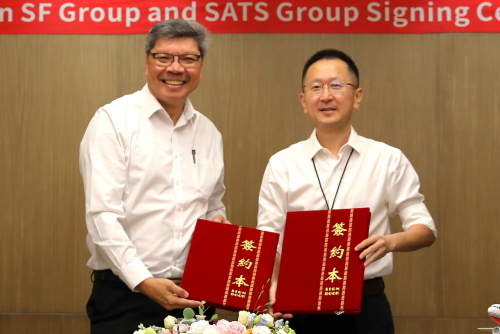 SATS and SF Group Sign MOU to Expand Global Footprint
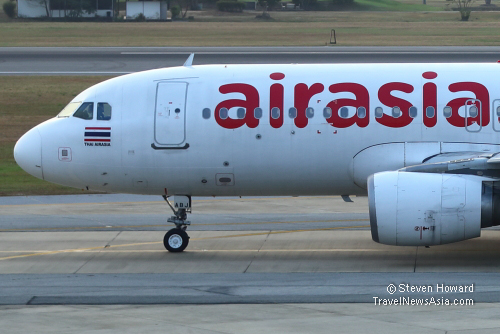 Thai AirAsia to Launch Don Mueang - Lampang Flights
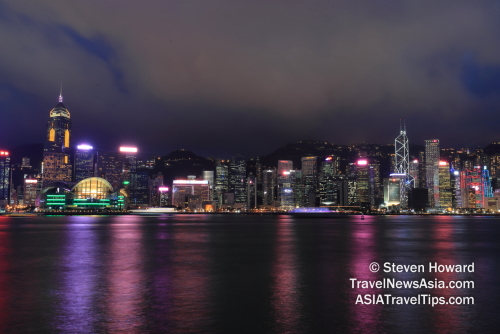 Hong Kong Welcomed 3.13 Million Visitor Arrivals in June 2024
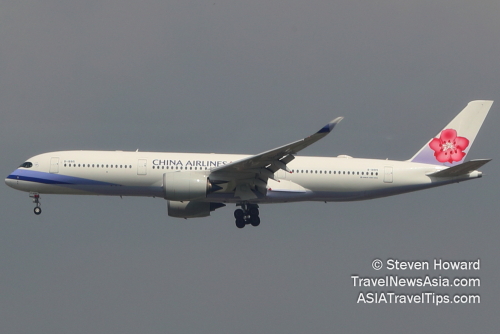 China Airlines Launches Direct Flights Between Taipei and Seattle, USA
 London Heathrow Airport Expands Partnership with SITA
 bp Partners Audi Formula 1 Team
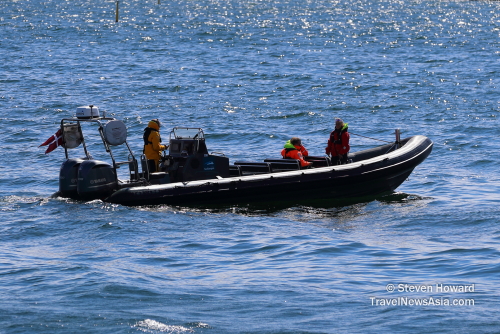 High-Speed Fun in Denmark! HD Video Interview with Aarhus Sea Rangers
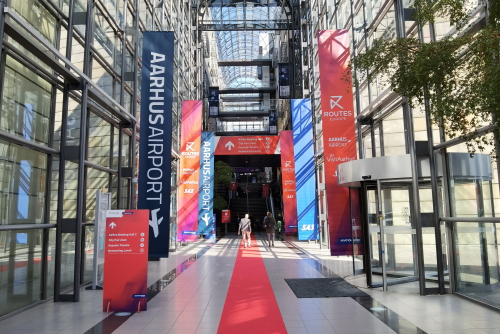 16 Exclusive HD Video Interviews from Routes Europe 2024 in Aarhus, Denmark
 9 Exclusive HD Video Interviews from Routes Asia 2024 in Langkawi, Malaysia
 9 Exclusive Video Interviews with VIPs at ASEAN Tourism Forum 2024 in Vientiane, Laos
 8 NTO Press Conferences from the ASEAN Tourism Forum 2024 in Vientiane, Laos
 13 Exclusive HD Video Interviews with VIPs at World Travel Market 2023 in London, England
 5 HD Video Interviews from APG World Connect 2023 in Monaco, France
 15 Exclusive Videos from Routes World 2023 in Istanbul, Türkiye