|
The number of tourists visiting European destinations
in 2009 is expected to contract slightly and, given the current economic
environment, things could get worse. However, Europeans earning in euro
who retain their jobs in the economic slump will find non-eurozone
destinations more affordable.
These are the initial findings and predictions
from the ITB World Travel Trends Report 2009, which will be
presented during the world’s leading annual travel show, ITB
Berlin, on 11 March during the Future Day of the ITB Convention,
and will be published before the end of the same month.
The report, produced by IPK International,
suggests that new tourist arrivals records are likely to be broken
2011-2012.
“While Europe’s medium to longer-term inbound
and outbound travel prospects are good,” said Rolf Freitag,
President and CEO of IPK, “the key issue no one can safely predict
is just how deep or prolonged the immediate downturn will be. No
two recessions are alike. So when national economies revive, will
travel immediately pick up, or will there be a time lag?”
IPK says final tourism figures for 2008 are
still being collated. However, after a record year for many
European destinations in 2007, it seems the deterioration in
European economic performance and confidence in Q3 &Q4 2008 will
mean that Europe’s overall inbound growth for 2008 will struggle
to reach 1%.
Nevertheless, some destinations proved very
popular in 2008 and may be in a competitive position to do
reasonably well in 2009.
European Travel Commission data shows that
Bulgaria, Turkey, Latvia and Slovakia recorded double-digit
increases in arrivals for most of 2008. Austria, Croatia, Estonia,
Germany, Ireland, Malta, Montenegro, Sweden and Switzerland were
also doing better than average up to November.
As the economic slump took hold worldwide,
Europe’s appeal faded fastest in longhaul source markets. ETC
estimates suggest that arrivals from the USA, Japan, China and
South Korea were down last year. In contrast, visitors from India
to Europe were not deterred. Some destinations saw double-digit
growth from this market.
2009 indicators for Europe will become a lot
clearer when full year 2008 results are released in the ITB World
Travel Trends Report 2009 in March. However, shifting currency
exchange rates are already clearly impacting travel decisions.
“It seems that destinations in the eurozone are
likely to continue suffering from a strong euro,” said Dr Martin
Buck, Director of the Competence Center Travel & Logistics at
Messe Berlin, which commissions the ongoing research from IPK.
“An emerging trend is for Europeans to divert to
cheaper non-eurozone destinations. Turkey recorded an increase of
about 13% in 2008 and should continue to be a major beneficiary in
2009,” he said.
Initial findings from IPK International’s latest
research, to be published in the World Travel Trends Report 2009,
suggest Europeans are poised to choose destinations closer to
home. “As over 50% of arrivals to all destinations around the
world depend on Europeans, this could be bad news for longhaul
destinations in Asia, the Americas and Africa,” said Mr Freitag.
“The 3% growth in European outbound travel we were seeing in the
first three quarters of last year is likely to evaporate and
probably turn negative in 2009.”
Germany and the UK together account for 35% of
total European outbound trips. Both economies are in recession
with job losses rising. Destinations around the world may have to
look to new European source markets such as Russia, Finland,
Norway and Sweden, which all posted above average outbound growth
for much of 2008.
“When we convene at ITB Berlin in March, the
2009 edition of the ITB World Travel Trends Report will marry
full-year 2008 figures and the latest Q1 economic trends,” said Dr
Buck. “The travel industry will then better know what to expect
from 2009 and beyond. Destinations that adapt their marketing
strategies based on the latest data will feel less pain.”
IPK is currently interviewing outbound
travellers across Europe to try to determine their travel
intentions over the next 12 months, as well as the likely impact
of the current crisis on their travel behaviour. Highlights of the survey results will also be
presented by Rolf Freitag at the ITB Berlin Convention’s Future
Day.
See
other recent news regarding:
Travel News Asia,
IPK,
ITB,
Survey,
Research,
Visitor Arrivals,
Travel Trends,
Travel Trade Shows,
Europe
|

 . To do
that in Outlook, right-click the RSS Feeds
folder, select Add a New RSS Feed, enter the URL of our
RSS Feed which is: https://www.travelnewsasia.com/travelnews.xml
and click Add. The feed can also be used to add the headlines to your
website or channel via a
. To do
that in Outlook, right-click the RSS Feeds
folder, select Add a New RSS Feed, enter the URL of our
RSS Feed which is: https://www.travelnewsasia.com/travelnews.xml
and click Add. The feed can also be used to add the headlines to your
website or channel via a
 Mandarin Oriental Opens Special Hotel in Beijing, China
 AirAsia to Launch Penang - Shenzhen and Kota Kinabalu - Shantou Flights
 Boeing Forecasts Passenger and Cargo Needs of China's Aviation Industry
 Air Corsica Takes Delivery of ATR's 1,700th Turboprop Aircraft
 Minor Hotels to Open Anantara Resort Ubud Bali in October
 Uruguayan Air Force to Add A-29 Super Tucano Aircraft to Fleet
 Air Astana to Increase Flights to Phuket, Thailand; Signs Codeshare Deal with JAL
 Hong Kong Airlines to Resume Long-Haul Flights with Seasonal Gold Coast Service
 IHG Signs Two Hotels in Quang Binh, Vietnam
 Marriott Opens Moxy Hotel in Mumbai, India
 Torsten Richter Returns to Minor Hotels as AGM of Indonesia and Malaysia
 Minor Set to Open World's Third NH Resort in Maldives
 Asiana Airlines and Air Serbia Appoint APG as GSA
 IndiGo to Launch New Delhi - Vijayawada Flights
 Hong Kong Airport Reports Strong Increases in Cargo and Passenger Traffic
 Delta Begins Rollout of Free Wi-Fi on Long-Haul International Routes
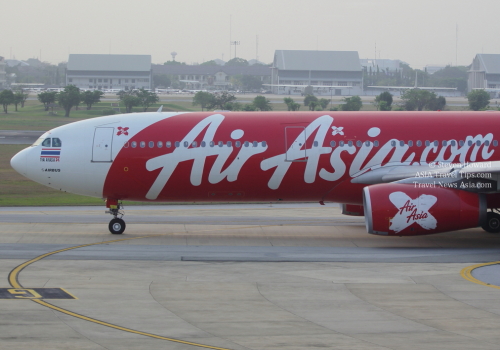 Thai AirAsia X to Resume Flights Between Bangkok and Sydney, Australia
 Marriott Partners Sonder to Add Over 9,000 Rooms to Portfolio
 IHG Opens Hotel Indigo in Bandung, Indonesia
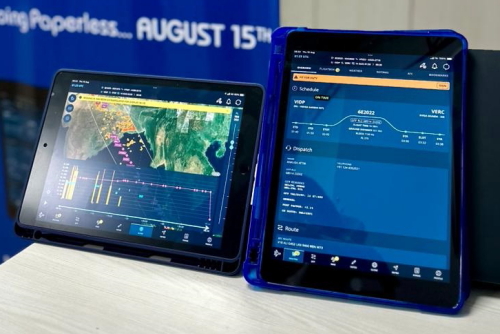 IndiGo Enhances Operations with Aviobook, an Electronic Flight Folder from Thales
 Boeing Invests in Wagner SAF Refinery in Brisbane, Australia
 Aeroflot to Resume Flights Between Yekaterinburg and Bangkok, Phuket and Goa
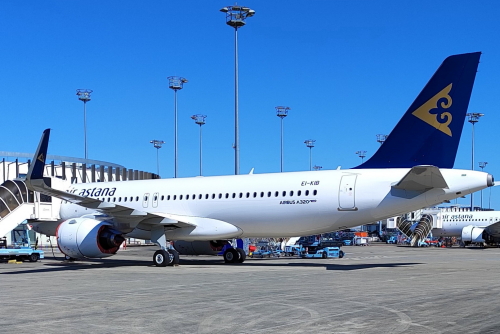 Air Astana Takes Delivery of 56th Aircraft; Confirms Plan to Launch Phu Quoc Flights
 Seibu Prince Rebrands Hotel in Singapore
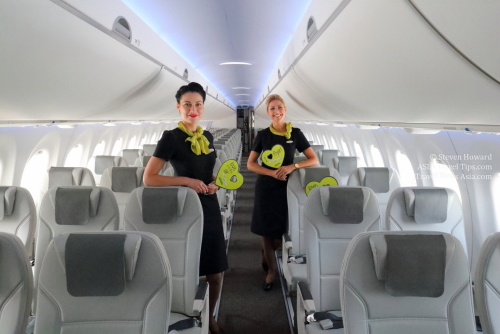 airBaltic Appoints APG as GSA in Egypt
 Korean Air and Delta Air Lines Partner Habitat for Humanity to Make a Difference in Cheonan
 Air New Zealand, Garuda, Qantas and Singapore Airlines Begin UPR Trials on 38 Routes
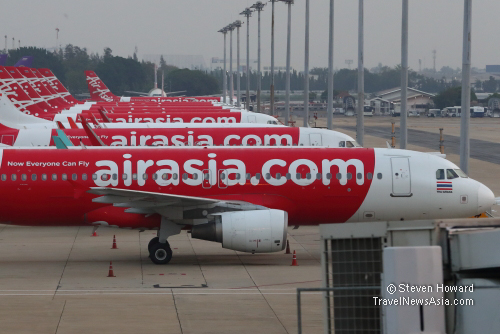 Thai AirAsia Reports Q2 and H1 2024 Results; Confirms Full-Year Targets
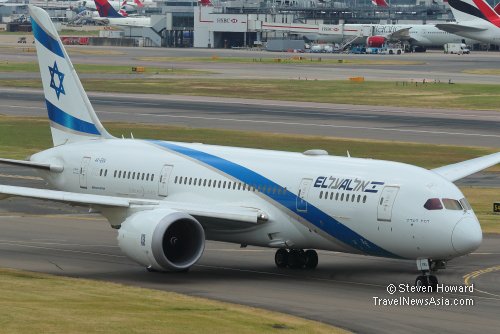 EL AL Israel Airlines Finalises Deal for 31 Aircraft
 Cebu Pacific to Launch Davao - Hong Kong and Iloilo - Singapore Flights
 Poland to Become Largest Operator of Apache Combat Helicopters Outside of USA
 Singha Estate Partners Ascott for Rebranding of Two Hotels in the United Kingdom
 Miss International Queen 2024 (MIQ 2024) - Interview with Alisa Phanthusak, MD, Tiffany's Show Pattaya, Thailand
 IndiGo to Launch Coimbatore - Singapore Flights; Increase Frequency of Select Services
 Parveen Kumar Joins Grand Hyatt Jakarta as General Manager
 Azerai Appoints Jimmy Tran as Group Director of Sales & Marketing
 South Korea to Strengthen Airborne Surveillance and Reconnaissance Capabilities
 Virgin Australia to Replace Fokker 100s with Embraer E190-E2 Aircraft
 Cross Adds Two Hotels in Bangkok, Thailand to Portfolio
 airBaltic Exercises Options on 10 Airbus A220-300 Aircraft
 Etihad to Increase Thailand Flights; Resume A380 Service to Singapore
 Dusit Signs Hotel and Condo on Rama 3 Road in Bangkok, Thailand
 Cape and Kantary Hotels to Expand Portfolio with Serviced Suites in Korat, Thailand
 Thai Airways Reports Q2 and H1 2024 Results
 China Airlines Extends Cargo Handling Contract with FCS
 Goldfinch Becomes First Piloted Electric Aircraft to Fly at NASA's Langley Research Center
 Rosewood Signs Luxury 33-Suite Resort in Exuma, Bahamas
 British Airways Expands Codeshare with Bangkok Airways
 Aeroflot Unveils Most Popular International Destinations in H1 2024
 Marriott Executive Apartments Open on Sukhumvit Soi 49 in Bangkok, Thailand
 Uday Rao Appointed RVP and GM of Four Seasons Hotel Tokyo at Otemachi in Japan
 CapitaLand Ascott Trust Secures OCBC 1.5°C Loan
 Sabre Hospitality Enhances SynXis Booking Engine with Trip Protection Services
 Cathay Pacific Orders 30 Airbus A330-900 Aircraft
 Haytham Said Appointed GM of Four Seasons Hotel Miami
 Hong Kong Airport Launches World's First Smartphone Express Bag Drop Service
 Marriott Signs W Hotel in Hangzhou, China
 IndiGo Selects Recaro's R2 and R5 Seats for New A321neo Aircraft
 Scoot to Take Delivery of Jalan-Jalan and Travel Kaki E190-E2s in September and October
 Ali Mohammed Appointed Regional Vice President and GM of Four Seasons Resort Orlando
 Marriott Opens Fourth Executive Apartments Property in Bangkok, Thailand
 AirAsia X to Resume Kuala Lumpur - Chongqing Flights
 Norse Operates Non-Stop Charter Flight from Oslo to Darwin, Australia
 Wyndham Reports Record H1 Growth in Asia Pacific
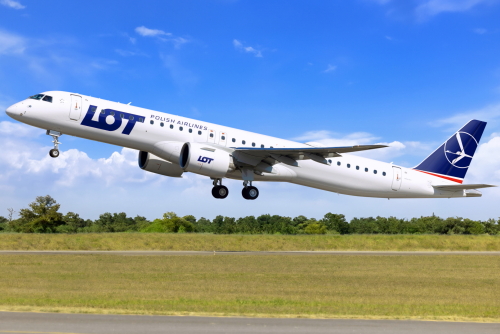 LOT Polish Airlines Takes Delivery of First Embraer E195-E2
 Vietnam Airlines Takes Delivery of Fifth Boeing 787-10 Aircraft
 Marriott Expands Executive Apartments Brand to Penang, Malaysia
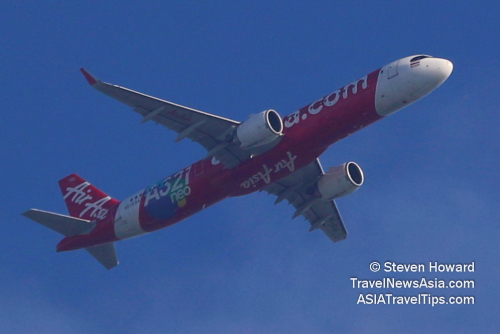 AirAsia Group Expands Fleet with Four Airbus A321neo Aircraft
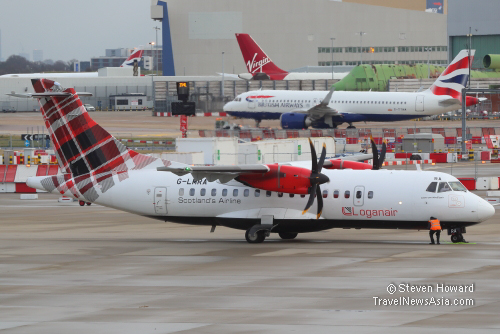 IATA Reports Latest Airline Passenger Traffic Data
 China Airlines Signs SAF-Related MOU with Morrison Express
 Fairfield by Marriott Hotel Opens in Terengganu, Malaysia
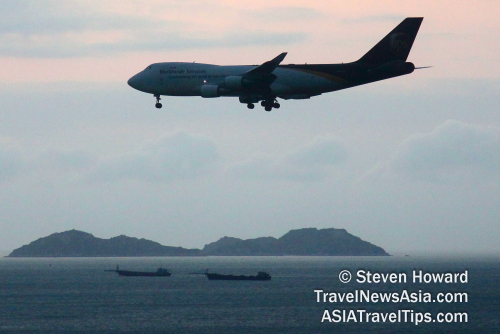 IATA Reports Latest Global Air Cargo Data
 Marriott Opens Fifth Autograph Collection Hotel in Japan
 Matthew Smith to Succeed Monique Arnoux as CEO of Destination Asia
 American Airlines Renews Subscription to Prism
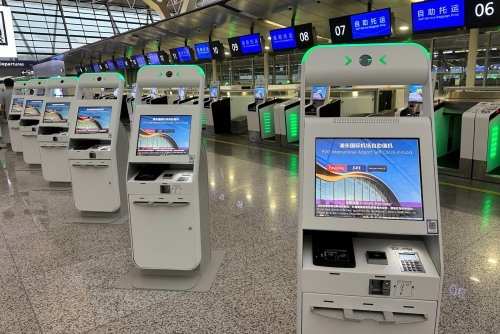 Shanghai Pudong Airport Installs 52 Kiosks and 14 Self-Service Bag Drops from SITA
 Hong Kong Airport Handled 4.3 Million Passengers and 29,590 Flight Movements in June
 Croatia Airlines Takes Delivery of First Airbus A220
 Ryanair to Implement Boeing's Jeppesen FliteDeck Pro 5.0 EFB
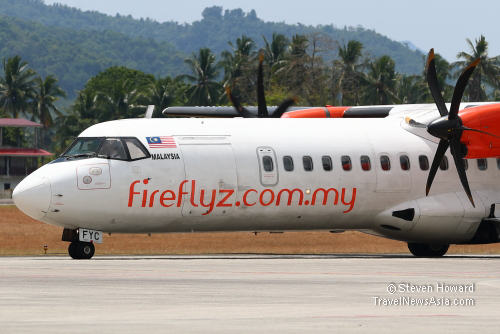 Asia Pacific Airlines Carried 28.9 Million International Passengers in June
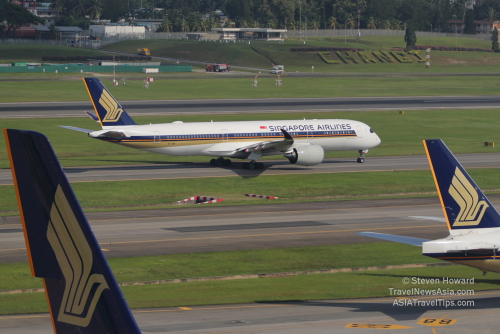 Singapore Changi Airport Reports Q2 2024 Traffic
 Cat Wu Returns to Singapore as Executive Director of Revenue for Two Hotels
 Langham Appoints Jack Xiao as Senior Vice President of Operations - China
 NATO Selects Sikorsky X2 Rotorcraft for Integrated Platform Concept Study
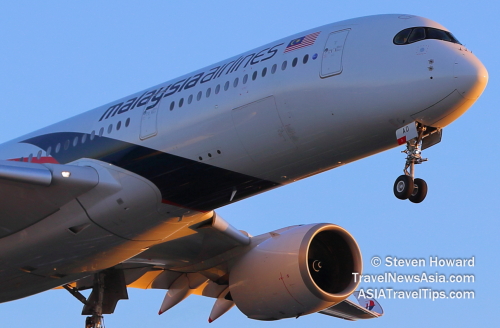 Malaysia Airlines Expands Retailing Strategy with NDC Content on Travelport
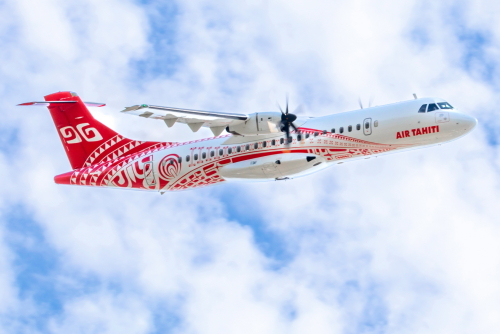 Air Tahiti Orders Four ATR 72-600 Aircraft
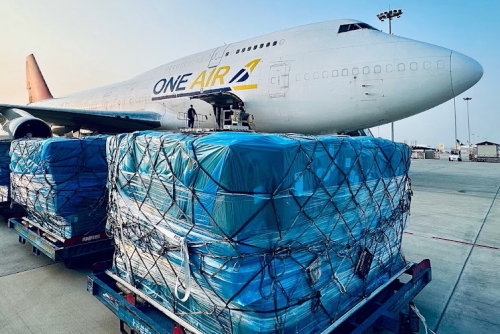 One Air to Expand Fleet with Third Boeing 747-400 Freighter
 FCM Travel Expands Cytric Distribution Agreement with Amadeus
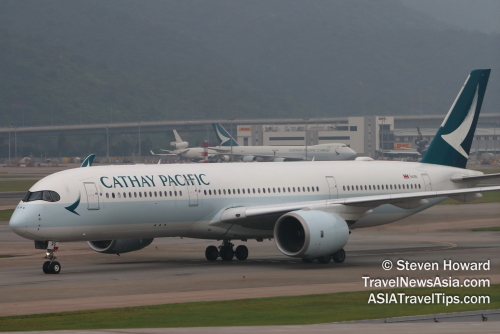 Cathay Pacific Expands 1 Ticket, 1 Tree Initiative to Include Cargo
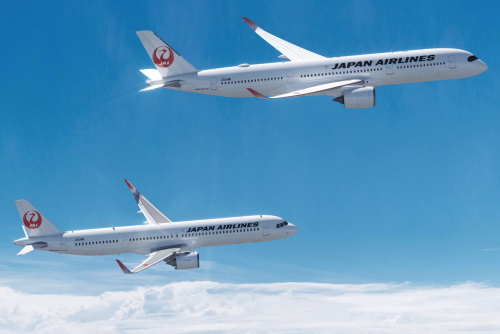 Japan Airlines Confirms Order for 20 Airbus A350-900s and 11 A321neos
 Embraer E190 Freighter Receives ANAC Type Certification
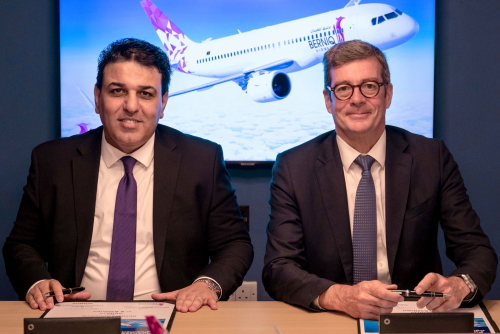 Libya's Berniq Airways Orders Six A320neo Family Aircraft
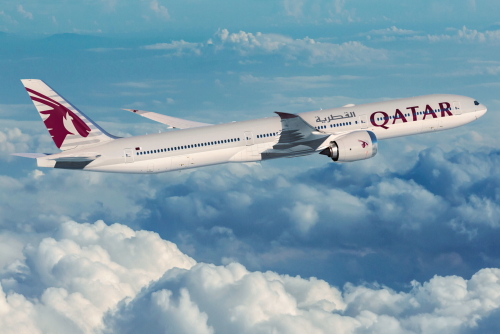 Qatar Airways Adds 20 Boeing 777-9s to Order Book
 Accor Signs Raffles Hotel in Tokyo, Japan
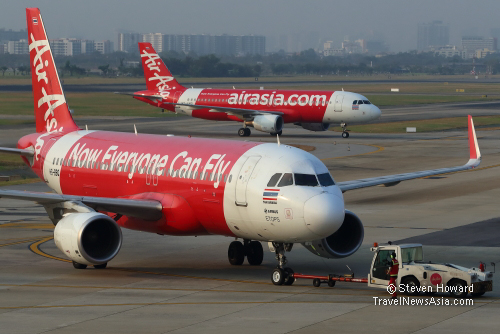 Thai AirAsia to Launch Bangkok - Hyderabad and Phuket - Siem Reap Flights
 Courtyard by Marriott Hotel Opens in Sapporo, Japan
 Qatar Airways Unveils Qsuite Next Gen at Farnborough Airshow 2024
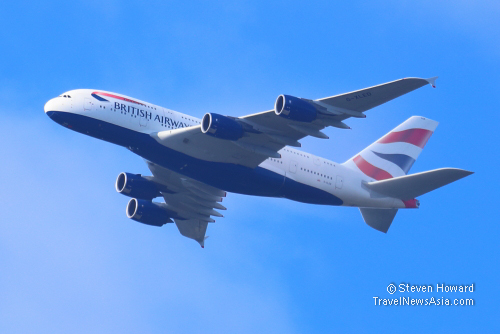 British Airways Increases Number of Funded Places in Speedbird Pilot Academy
 Mandarin Oriental Signs Hotel and Residences in Bali, Indonesia
 Minor Hotels Signs Dual-Branded Property in Yining, China
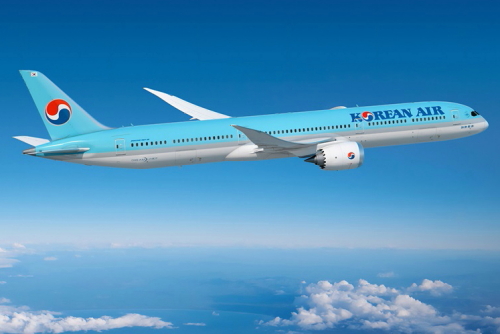 Korean Air Takes Delivery of First Boeing 787-10 Dreamliner
 Two Senior Promotions at IHG Asia Pacific
 Airbus A321XLR Powered by CFM LEAP-1A Engines Receives EASA Type Certification
 New Dusit Thani Bangkok Hotel to Open 27 September 2024
 CWT Upgrades Airfare Optimization Service with AI and Machine Learning
 Small Luxury Hotels of the World Returns to India with MRS Group Partnership
 SATS and SF Group Sign MOU to Expand Global Footprint
 Thai AirAsia to Launch Don Mueang - Lampang Flights
 Hong Kong Welcomed 3.13 Million Visitor Arrivals in June 2024
 China Airlines Launches Direct Flights Between Taipei and Seattle, USA
 London Heathrow Airport Expands Partnership with SITA
 bp Partners Audi Formula 1 Team
 High-Speed Fun in Denmark! HD Video Interview with Aarhus Sea Rangers
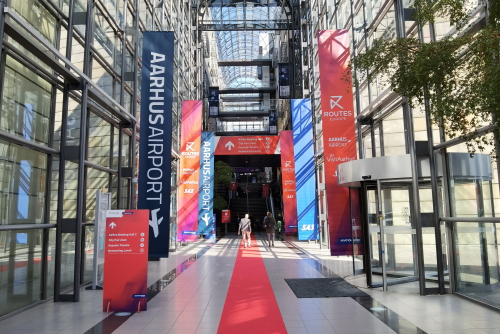 16 Exclusive HD Video Interviews from Routes Europe 2024 in Aarhus, Denmark
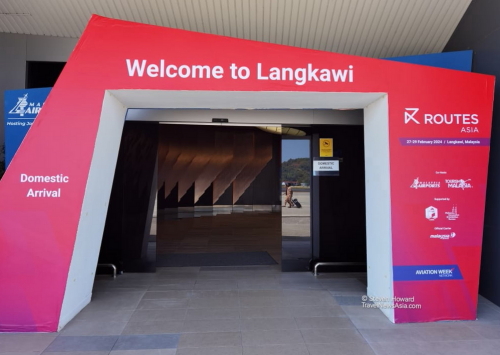 9 Exclusive HD Video Interviews from Routes Asia 2024 in Langkawi, Malaysia
 9 Exclusive Video Interviews with VIPs at ASEAN Tourism Forum 2024 in Vientiane, Laos
 8 NTO Press Conferences from the ASEAN Tourism Forum 2024 in Vientiane, Laos
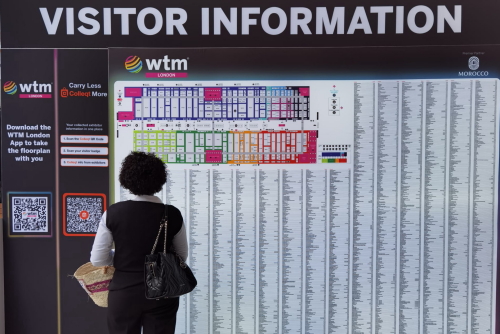 13 Exclusive HD Video Interviews with VIPs at World Travel Market 2023 in London, England
 5 HD Video Interviews from APG World Connect 2023 in Monaco, France
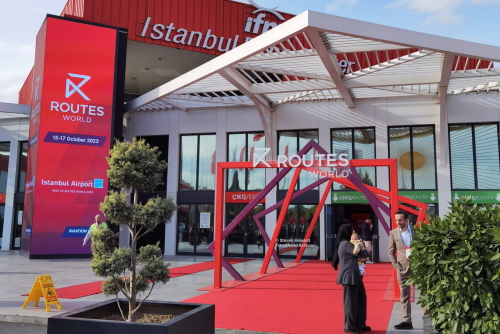 15 Exclusive Videos from Routes World 2023 in Istanbul, Türkiye